

Understanding the Bay or Bow Window Replacement Process: What to Expect Step by Step

Replacing bay or bow windows enhances curb appeal and thermal performance. This guide outlines the replacement process in clear stages so homeowners know what to expect, how to choose configurations and materials, and how to manage installation and maintenance for durable, energy-efficient results.
Step-by-Step Guide for Bay and Bow Window Replacement
The replacement is performed in phases to ensure fit, structural integrity, and performance. Knowing each phase helps homeowners prepare, make informed choices, and reduce surprises during the project.
1. Preparation Phase:
Preparation starts with a consultation and field measurements to confirm dimensions and identify structural constraints. At this stage homeowners select a basic design, glazing options, and a realistic timeline.
2. Material Selection:

Choose frame and glazing to balance durability, insulation, and maintenance. Common frame choices are vinyl (low maintenance), wood (traditional look), and fiberglass (durable). Match materials to local climate and the home’s exterior.
3. Installation Process:
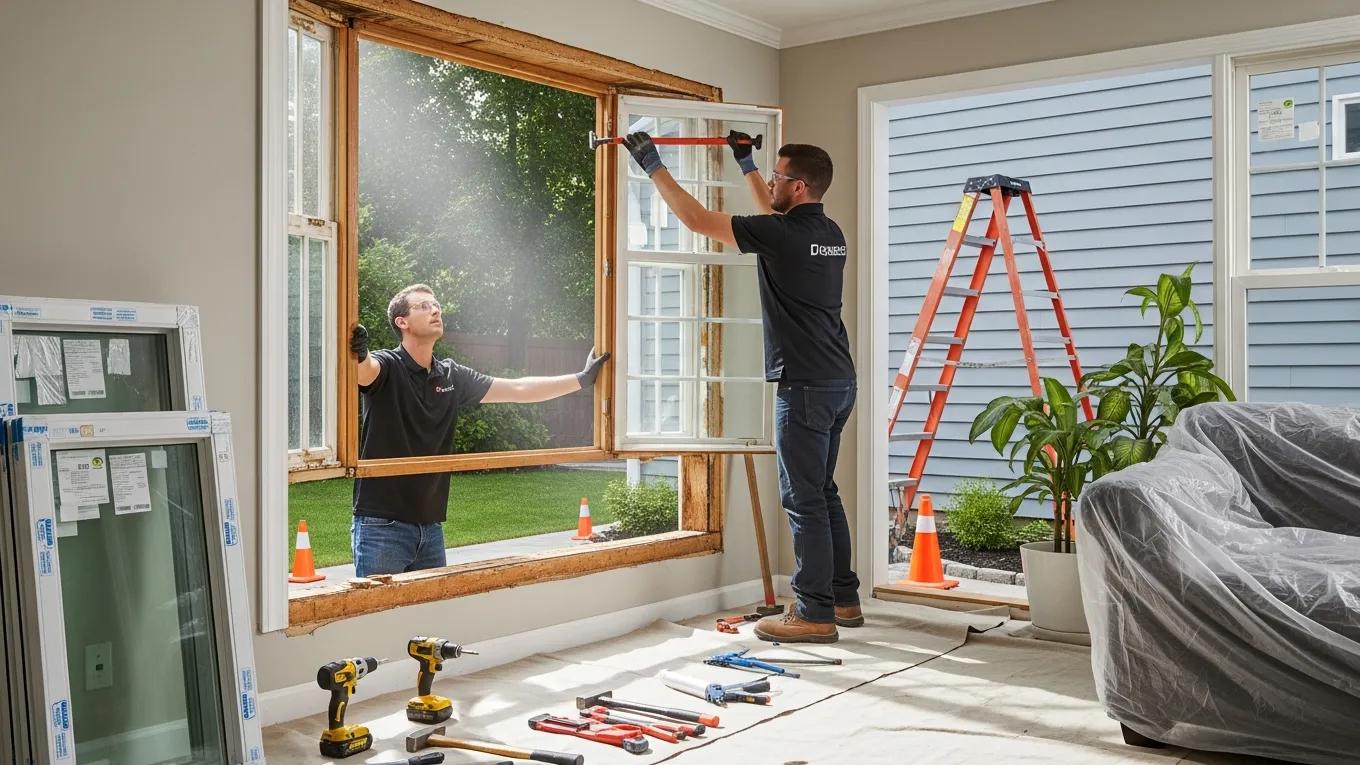
Installers carefully remove the old assembly, set the replacement level and plumb, secure it to the opening, and apply flashing and sealants to prevent air and water infiltration. Proper weatherproofing and correct anchoring preserve thermal performance and comfort. In the Chicago suburbs, firms such as Window Concepts offer consultations and tailored replacement services.
4. Finishing Touches:
After the unit is secured, technicians install interior and exterior trim, finish paint or stain as needed, and perform a final inspection to confirm seal integrity, operation, and visual fit.
5. Maintenance Tips:
Regular cleaning, periodic inspection of seals and flashing, and timely repair of failed seals extend service life. Schedule professional seal and flashing checks if you notice drafts or water staining.
What Are Bay and Bow Windows and How Do They Differ?
Both project from the facade to increase daylight and interior floor space. Bay windows typically use three panels (a larger center sash with angled side units) to form a defined alcove. Bow windows use four or more similarly sized panels on a gentle arc to provide a wider panoramic view and a curved exterior profile.
Comparing Installation Considerations for Bay vs. Bow Windows
Plan for structural support, framing complexity, and scheduling differences between types. Bow windows often require more elaborate framing and support due to additional panels and larger spans, which can increase labour and time compared with simpler bay units.
- Installation Complexity: Bay windows are typically simpler to frame and install; bow windows often require extra support and precise fitting.
- Cost Considerations: More panels and custom curvature on bow windows generally raise material and labour costs.
- Timeframes for Installation: Bay installations usually take less time; bow installations can require additional on-site adjustment and finishing.
What Are the Key Steps in the Bay and Bow Window Replacement Process?
Typical steps are a detailed consultation, a written estimate and contract, and an agreed installation timeline. Clear scope and communication at each step reduce change orders and delays.
- Initial Consultation: Confirm goals, accessibility, and constraints.
- Quote and Contract: Review specifications, lead times, and warranties.
- Installation Timeline: Agree on dates, access, and finishing requirements.
Following these steps helps ensure expectations are aligned and scheduling is realistic.
How Long Does the Window Replacement Timeline Typically Take?
Project duration ranges from several days to a few weeks depending on unit complexity, material lead times, and weather. Structural modifications or custom orders extend timelines.
- Material Availability: Custom or out-of-stock items add lead time.
- Weather Conditions: Exterior work is weather-dependent.
- Project Complexity: Extensive framing, finishing, or structural changes require extra time.
What Are the Cost Factors and Energy Efficiency Benefits of Bay and Bow Window Replacement?
Major cost drivers include frame material, glass type, labour complexity, and required structural support. Upgrading to energy-efficient glazing and properly installed frames reduces heating and cooling loads and can lower utility bills over time.
- Material Quality: Higher-grade materials cost more but improve durability and efficiency.
- Installation Costs: Skilled labour and structural work increase price.
- Energy Efficiency Benefits: Low-e coatings, insulated frames, and proper sealing reduce energy use and improve comfort.
Choose assemblies that balance upfront cost with long-term operating savings to match your budget and performance goals.
Understanding Cost Components and Financing Options
Budget for product cost, installation labour, and any structural work. Compare total installed cost and expected energy savings to assess value.
- Financing Options: Many providers offer payment plans or financing to spread cost over time.
- Cost Breakdown for Different Window Types: Compare prices for bay versus bow units, factoring in materials and on-site labour.
For package details and tiered pricing, see awning windows for examples of available options.
How Energy Efficient Windows Enhance Home Value and Comfort
Energy-efficient windows can lower operating costs, increase resale appeal, and improve indoor comfort by reducing heat transfer and drafts.
- Lower Utility Bills: Better insulation reduces heating and cooling loads.
- Increased Home Value: Energy upgrades are attractive to buyers.
- Enhanced Comfort: Stable indoor temperatures and fewer cold spots improve daily comfort.
Upgrading to energy-efficient windows is often a practical investment for long-term savings and comfort.
Frequently Asked Questions
What are the main differences between bay and bow windows in terms of design and functionality?
Bay windows use three panels to create a defined alcove; bow windows use four or more panels to form a curved, panoramic projection. Both increase light and space but produce different exterior profiles and interior layouts.
How can I determine the right material for my bay or bow windows?
Match material to your priorities: vinyl for low maintenance, wood for traditional aesthetics, fiberglass for durability. Consider local climate, maintenance willingness, and thermal performance when choosing.
What should I expect during the consultation phase for window replacement?
The consultant will inspect the site, take measurements, review material and glazing options, discuss budget and timeline, and provide a written recommendation and estimate.
Are there any specific maintenance tips for bay and bow windows?
Keep glass and frames clean, inspect seals and flashing periodically, and arrange prompt repairs for seal or water issues to protect energy performance and finishes.
What financing options are available for window replacement projects?
Options commonly include installment plans, promotional financing, or loans. Review terms during the consultation to choose the best fit for your budget.
How do energy-efficient windows contribute to home comfort?
They limit heat transfer and air leakage, stabilise indoor temperatures, and reduce HVAC cycling, which improves comfort and can lower energy bills.
What are the potential challenges during the installation of bay and bow windows?
Challenges include structural support for projecting assemblies, ensuring continuous weatherproofing, and scheduling around weather. Experienced installers mitigate these risks through proper framing and sealing practices.
Conclusion
Replacing bay and bow windows enhances appearance, comfort, and energy performance. By understanding the phases—from consultation and material selection to installation and maintenance—homeowners can make choices that align with budget and long-term value. Review available premium options to begin your upgrade.