

Essential Factors to Consider When Selecting Double Hung Windows for Your Home

Selecting appropriate windows affects both a home’s appearance and function. Double hung windows combine versatility with a traditional aesthetic and are a common choice for homeowners. This article reviews the primary factors—energy performance, material selection, installation, maintenance, and cost—to help you make an informed decision that improves energy efficiency, style, and resale value.
Energy Efficiency

Energy efficiency strongly affects occupant comfort and utility bills. Properly specified double hung windows lower heating and cooling loads by reducing air leakage and improving thermal insulation. Performance is commonly expressed by U-factor and Solar Heat Gain Coefficient (SHGC): a lower U-factor denotes better insulation, while a lower SHGC reduces solar heat transmission. Choosing units with suitable U-factor and SHGC ratings yields measurable energy-cost savings and supports environmental goals.
Materials
Material choice affects durability, maintenance, and performance. Common materials include:
- Vinyl: Known for affordability and low maintenance, vinyl double hung windows resist moisture and do not require painting.
- Fiberglass: Offering greater strength and thermal performance, fiberglass windows withstand extreme weather and come in a range of styles.
- Wood: Wood provides a classic look but requires regular maintenance to prevent rot and warping; it can be customized with finishes.
Each material has trade-offs in durability, upkeep, thermal performance, and cost; weigh these against project goals and budget.
Installation Process
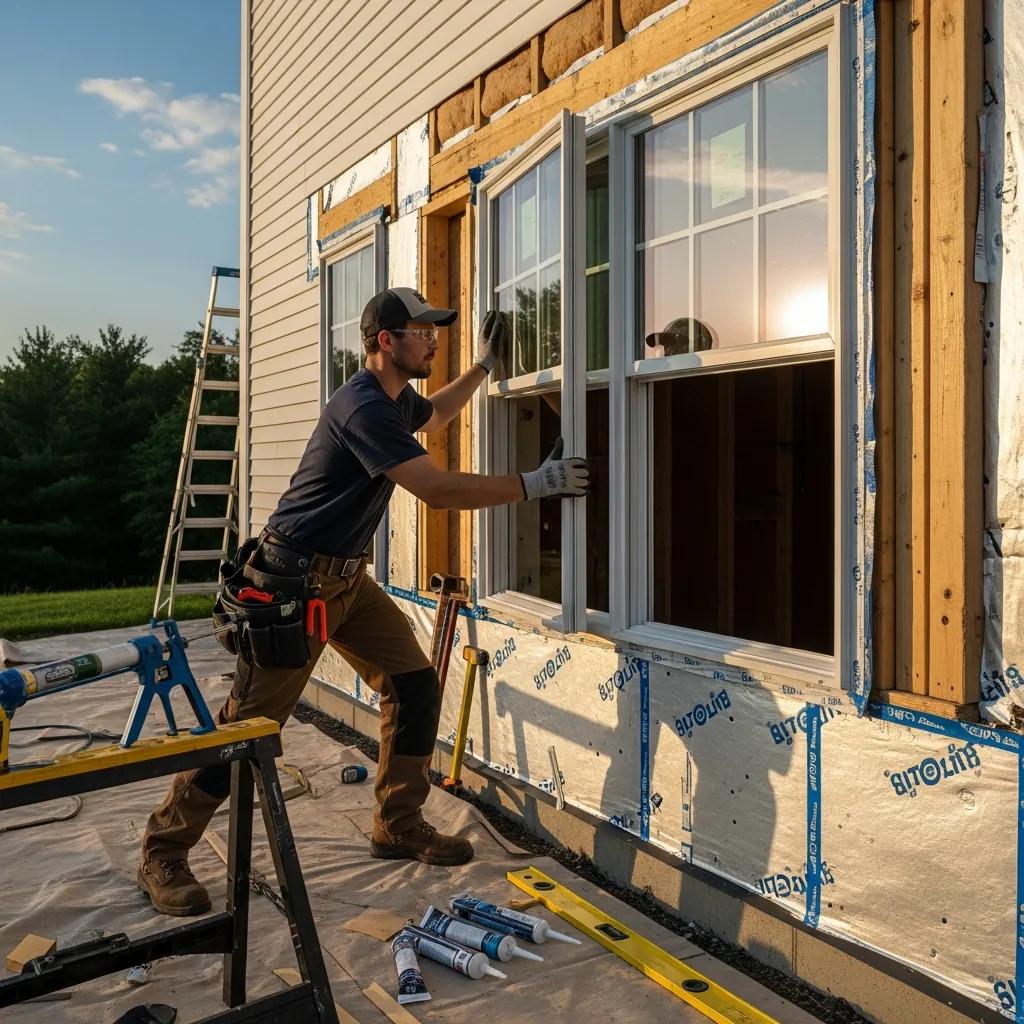
Installation determines operational performance and service life. Correct installation ensures windows operate as intended and maintain their energy performance. Key steps in a standard installation include:
- Preparation: Measure openings accurately and remove any old windows.
- Installation: Set the new double hung windows into the openings, making sure they are level and square.
- Sealing: Apply insulation and sealant around the frame to prevent air and water infiltration.
- Finishing: Install trim and verify smooth operation.
Hiring a qualified installer is recommended—professionals ensure accurate measurements, proper sealing, and a precise fit.
Maintenance Requirements
Routine maintenance preserves function and prevents issues such as air leaks and water ingress. Regular attention reduces the chance of larger failures and helps retain energy performance.
- Regular Cleaning: Clean glass and frames periodically to remove dirt and debris.
- Inspect Weather Stripping: Check weather stripping for wear and replace it when necessary to maintain efficiency.
- Address Minor Repairs Promptly: Fix issues like broken sashes or damaged screens to avoid further damage.
Consistent maintenance extends service life and helps ensure double hung windows continue to perform effectively.
Cost Considerations
When budgeting, material, unit size, and installation complexity are the main cost drivers. Consider both upfront expense and long-term value.
- Material Costs: Vinyl windows are generally more affordable than wood or fiberglass.
- Size and Customization: Larger or custom-sized windows typically cost more than standard options.
- Installation Costs: Professional installation increases the total cost but helps ensure proper fit and performance.
| Material Type | Average Cost per Window | Installation Cost |
|---|---|---|
| Vinyl | $300 – $700 | $100 – $250 |
| Fiberglass | $600 – $1,200 | $150 – $300 |
| Wood | $800 – $1,500 | $200 – $400 |
Understanding these cost factors helps homeowners balance initial investment against expected longevity and performance when selecting double hung windows.
For those looking to enhance their home with double hung windows, Window Concepts specializes in window replacement and installation services in the Chicago suburbs. Their expertise helps homeowners obtain high-quality products and professional installation, maximizing the benefits of new windows. To explore other window styles, consider “awning windows” for alternate ventilation options.
Frequently Asked Questions
What are the benefits of double hung windows compared to other window styles?
Double hung windows provide controlled ventilation through two independently operable sashes, allowing airflow adjustment by opening either the upper or lower sash. Both sashes typically tilt inward for easier cleaning. Their traditional proportions work with many architectural styles, making them a common choice for homeowners who want versatility and consistent aesthetics.
How do I choose the right size for double hung windows?
Accurate sizing requires precise measurement of existing openings in both width and height to ensure a snug fit. For replacements, measure from the interior of the frame to account for variability; for new construction, consult a professional to determine dimensions that optimise design and thermal performance. Custom sizes are available when standard options do not fit.
What energy efficiency ratings should I look for in double hung windows?
Evaluate the U-factor and Solar Heat Gain Coefficient (SHGC). The U-factor measures insulation performance—lower values mean less heat transfer—while the SHGC measures solar heat transmission, with lower values preferred in warmer climates to reduce cooling loads. Choose windows that meet recognised efficiency standards for long-term energy savings.
Can I install double hung windows myself, or should I hire a professional?
DIY installation is possible, but professional installation is generally recommended. Proper fit, sealing, and finishing are critical to preserve function and energy performance; professionals reduce the risk of air leakage and water infiltration. If you self-install, follow manufacturer instructions closely and ensure you have the necessary tools and skills.
What maintenance is required for double hung windows?
Routine maintenance includes cleaning glazing and frames to prevent dirt buildup, inspecting and replacing weather stripping as needed, addressing minor repairs promptly (for example, damaged sashes or screens), and lubricating hardware to maintain smooth operation and extend service life.
What are the typical costs associated with double hung windows?
Costs vary by material, size, and installation complexity. Vinyl windows typically range from $300 to $700 per unit; fiberglass units generally cost $600 to $1,200; wood units commonly range from $800 to $1,500. Installation expenses usually fall between $100 and $400, depending on scope and complexity. Budgeting for both product and installation helps ensure expected performance and quality.
Conclusion
Selecting double hung windows can improve a home’s energy performance, aesthetic appeal, and market value. By assessing material properties, installation needs, and maintenance obligations, homeowners can specify products aligned with project objectives. Explore the available range of high-quality double hung windows to find suitable options, and contact us for more information about products and services that enhance the living environment.