


SLIDING WINDOWS
YOUR TRUSTED SOURCE FOR ENERGY EFFICIENT WINDOWS

One STOP PREMIUM WINDOW INSTALLATION SERVICES
SLIDING WINDOWS
Highly Rated Sliding Window Replacement Contractors
If your windows are hard to open, let in drafts, or no longer provide clear views, it may be time to consider sliding window replacement in the Chicago suburbs. At Window Concepts, we install high-quality, energy-efficient sliding windows designed for smooth operation, improved ventilation, and a modern look.
With decades of experience and a trusted reputation across Chicagoland, we help homeowners choose the right window solutions—installed with precision and backed by dependable warranties.
Windows You’ll Love — Guaranteed


5.0 Star Client Approval Rating


Budget-Friendly Sliding Windows in Naperville, IL | Window Concepts
Looking for a cost-effective alternative to casement windows without sacrificing size or view? Discover how two-lite sliding replacement windows offer smooth operation, versatile ventilation, and excellent value for Naperville homeowners.
What Is a Sliding Window?
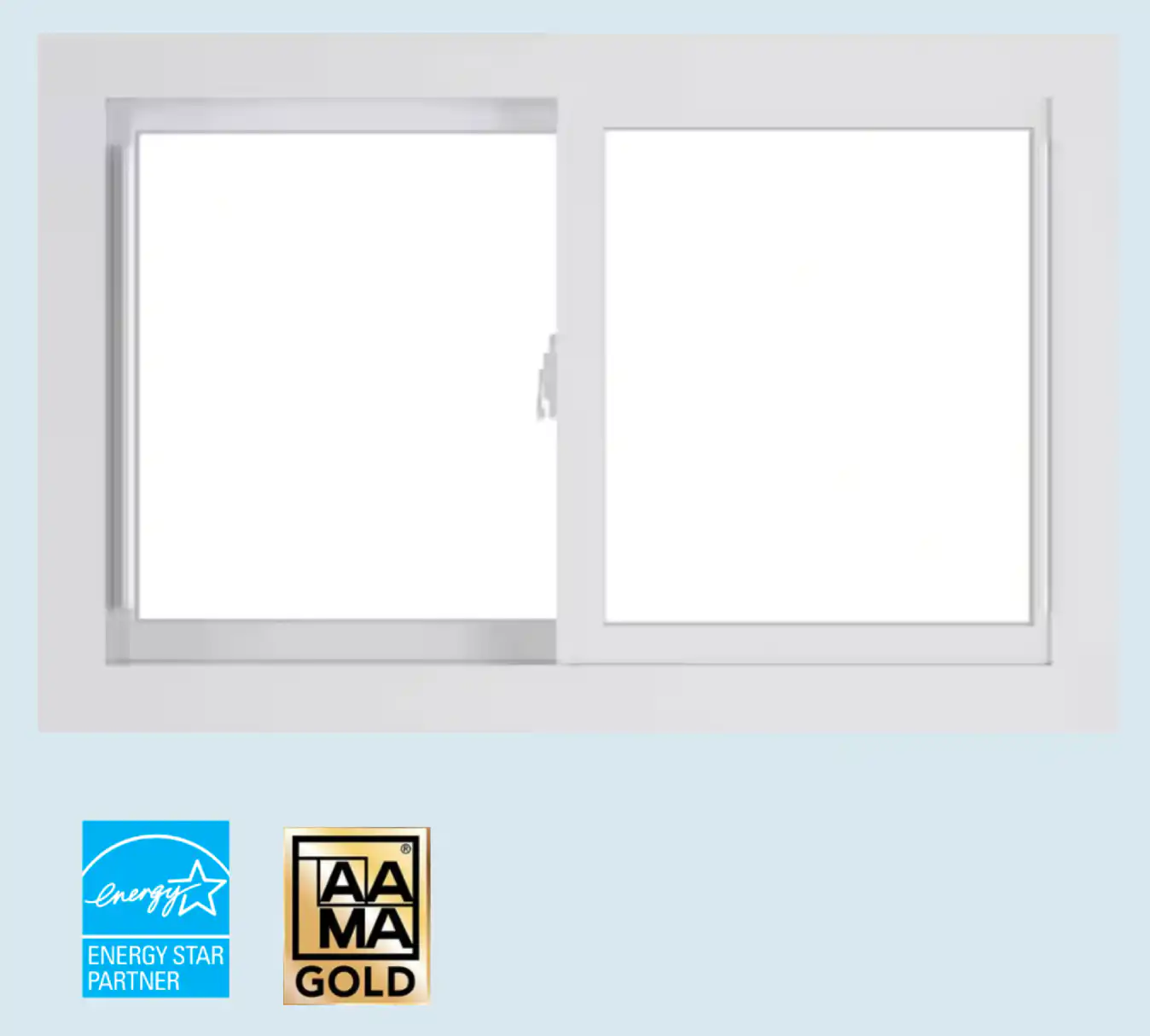
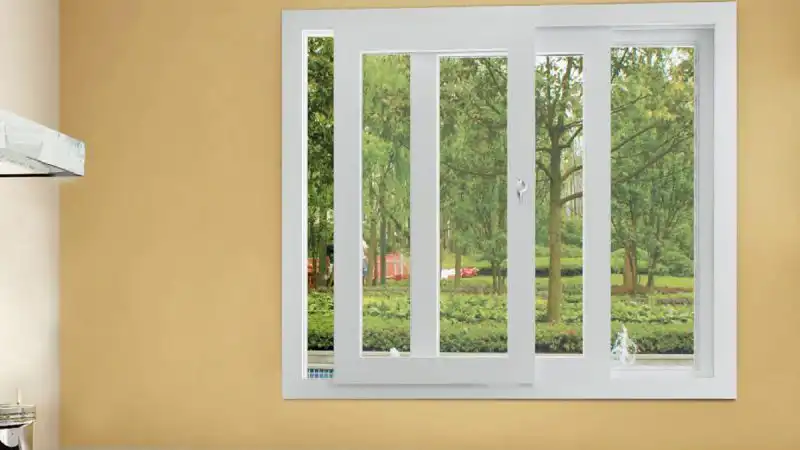
A sliding window, also known as a gliding window, features one or more panels that move horizontally along a track. Instead of opening outward or upward, the sash slides side-to-side for easy operation.
This design is ideal for wide openings and areas where you want unobstructed views and simple functionality, making sliding windows a popular choice for living rooms, bedrooms, and patios.
Why Homeowners CHOOSE SLIDING Windows…
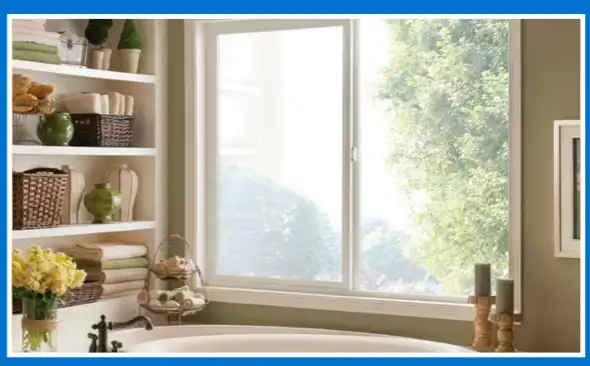

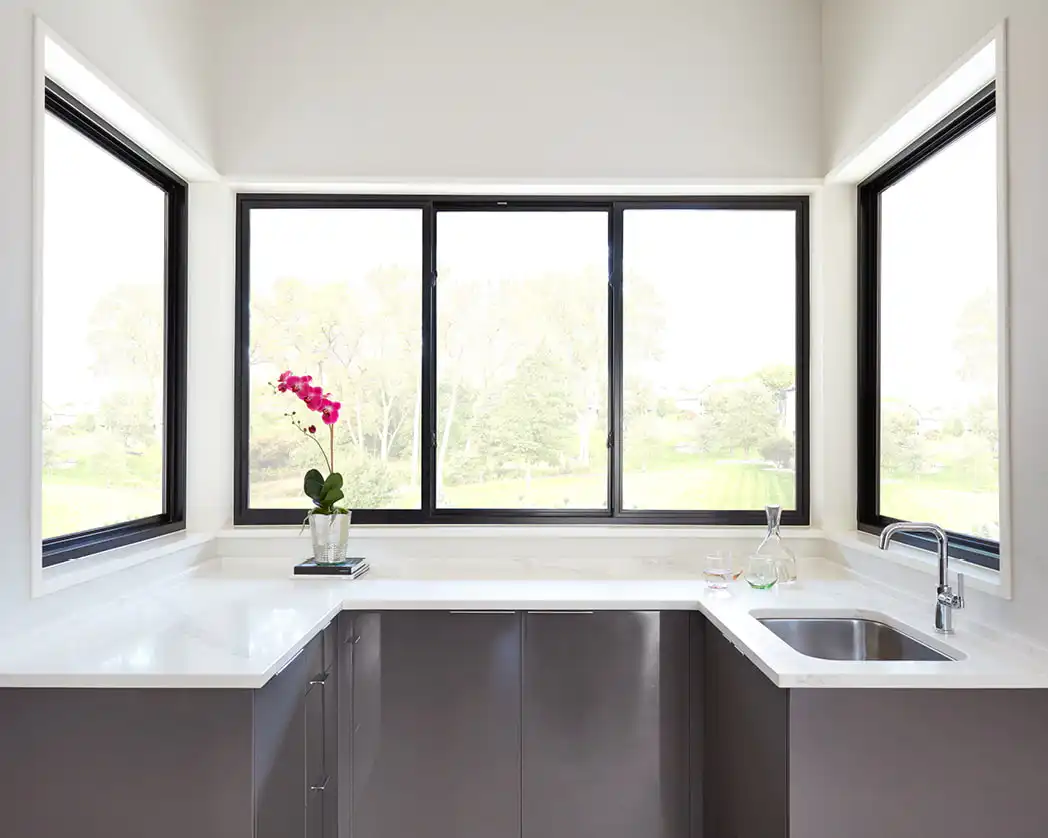
Benefits of Installing Sliding Windows in Chicago

Easy to Use: Glide open and close effortlessly for quick ventilation and everyday convenience.
Space-Saving Design: Ideal for areas where swinging sashes or cranks would get in the way.
Low Maintenance: Fewer moving parts mean years of smooth, reliable use.
Energy Efficient: Precision-engineered seals and insulated glass help maintain indoor comfort.
Modern Look: Sleek frames and wide glass panels maximize light and visibility.
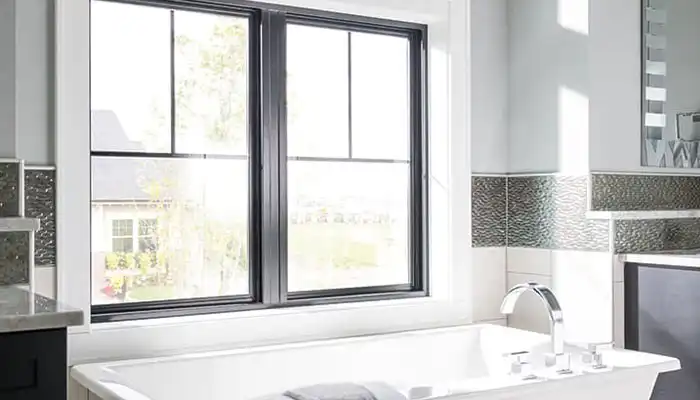
Signs You Need to Replace Your Sliding Windows
You may need new windows if you notice:
- Drafts or poor insulation
- Rising energy bills
- Difficulty sliding or sticking tracks
- Condensation between panes
- Warped frames or visible damage
- Outdated style or reduced curb appeal
Upgrading your sliding windows can improve comfort, functionality, and your home’s overall appearance.
Sliding Windows vs. Double-Hung Windows
Not sure which style is right for your home? Here’s a comparison to help:
Feature | Sliding Windows | Double-Hung Windows |
Operation | Slides horizontally | Slides vertically |
Ease of Use | Very easy, minimal lifting required | Requires lifting sashes |
Best For | Wide window openings | Traditional window spaces |
Ventilation | Half window opens at a time | Top, bottom, or both sashes open |
Maintenance | Fewer moving parts | More components to maintain |
Both options are effective, but sliding windows are often preferred for their ease of use and ability to maximize wide openings.
Need New Sliding Windows?
Why Choose Window Concepts?
For sliding window replacement in the Chicago suburbs, Window Concepts provides expert installation, high-performance products, and dependable service.
- Decades of experience – Serving homeowners since 2003.
- Proven installation process – Designed to improve efficiency and long-term performance. See our completed projects.
- Strong local reputation – Trusted across the Chicago suburbs.
- Transparent pricing – No hidden fees and financing options available.
- Clean, professional work – We respect your home and complete a full cleanup.

Sliding Window Replacement FAQs
Do sliding windows improve energy efficiency?
Yes. Sliding window’s energy-efficient design and ease of use make them a great option for handling Chicago’s seasonal weather changes.
Do sliding windows improve energy efficiency?
Yes. Modern sliding windows use advanced glass and insulated frames to reduce energy loss and improve indoor comfort.
How much does sliding window replacement cost in the Chicago suburbs?
Costs vary depending on window size, materials, and customization. Contact us for a personalized estimate.
Where are sliding windows typically installed?
They are commonly used in living rooms, bedrooms, and areas with wide wall openings.
Are sliding windows customizable?
Yes. We offer a variety of styles, colors, and configurations to match your home’s design.
How long does installation take?
Most projects are completed efficiently, depending on the size and scope of the installation.
Do sliding window tracks freeze shut or collect ice during cold Chicagoland winters?
Yes. Sliding window tracks can collect condensation, snowmelt, and debris that freezes during Chicago cold snaps, binding the sash to the frame. It’s most common with older sliders, blocked weep holes, high indoor humidity, or worn weatherstripping. In a well-maintained, properly installed window, recurring track ice points to a drainage or humidity problem.
Why slider tracks freeze
A slider’s sash rides in a horizontal bottom channel that has to drain water while still allowing movement, which makes it more prone to pooling than a fixed window or a compression-sealed casement. Recurring ice in an interior track usually follows this sequence:
- Warm indoor air meets cold glass and condenses.
- The water runs down into the lower track.
- Debris, blocked weep holes, worn seals, or a poorly sloped sill keep it from draining.
- Overnight cold freezes it around the sash, rollers, and weatherstripping.
Conditions that make it worse
- Dirty tracks: Grit and insect debris hold water and interfere with rollers.
- Blocked weep holes: Water has no path out of the frame.
- High indoor humidity: More condensation runs into the track.
- Worn pile weatherstripping: Lets cold air and moisture reach the track.
- Worn rollers or an out-of-square frame: The sash drags and binds even with light frost.
- A sash left partly open: Lets moisture and cold air straight into the track.
Weep holes are intentional drainage paths on the exterior lower frame. Never caulk or plug them to stop drafts.
How to thaw a frozen slider
- Unlock the sash only if it releases without force.
- Clear exterior snow or ice from the sill if it’s safe to reach.
- Warm the room and direct gentle airflow at the track.
- For light ice, apply a small amount of 70% isopropyl alcohol along the frozen contact point, or use a hair dryer on low, kept moving and away from standing water.
- Dry the track completely, then test with light pressure.
Avoid boiling water, heat guns, open flame, and prying. Forcing a frozen sash can bend rollers, tear weatherstripping, crack brittle vinyl, and knock the sash out of alignment.
Fall prevention checklist
- Vacuum and wipe out both tracks.
- Clear weep holes with a soft brush or compressed air, then pour a little water into the exterior track to confirm it drains.
- Replace flattened, cracked, or missing weatherstripping.
- Lubricate clean, dry tracks with a thin film of manufacturer-approved, non-petroleum silicone lubricant.
- Keep winter indoor humidity around 30–35%, lower during severe cold if frost forms.
- Keep the sash closed and locked, and leave blinds open enough at night for warm air to reach the glass.
When to repair or replace
Recurring ice, a track that fills with water, stains or mold below the window, rollers that bind after cleaning, or fogged glass point to drainage, installation, or frame problems. For exposed, windy walls, a casement offers a tighter compression seal and no horizontal track to collect water. If you keep sliders, choose a unit with a low published air-leakage rating and a well-designed drainage system.
How do sliding window weep holes prevent water damage during heavy Midwest rains and snowmelt?
Weep holes are small drain outlets at the bottom exterior edge of a sliding window frame. When wind-driven rain, snowmelt, or condensation gets past the outer weatherstripping, internal frame channels route that water to the weep holes and outside before it can pool, overflow the sill, or refreeze in the track.
How the drainage path works
A sliding window can’t be completely watertight at every moving sash joint, so it’s designed to expect some water and manage it in stages:
- Water reaches the sill track or an internal frame channel.
- A sloped path inside the frame carries it toward the lowest point.
- It exits through exterior weep slots at the bottom of the frame, which may not line up with the interior track.
Many weeps have small covers or flaps that let water out while limiting wind-blown rain from entering.
Why it matters in Midwest weather
- Wind-driven rain: Drains water pushed past the exterior sash track.
- Snowmelt: Clears meltwater from snow that drifts against the sill.
- Freeze-thaw cycles: Removes standing water that could refreeze, bind the sash, or expand in the track.
- Interior condensation: Gives water running down cold glass a route outside.
If the track can’t drain, water rises until it spills toward the room or soaks into the rough opening. Over time, that can damage trim, drywall, flooring, wood framing, and sheathing, and it can support mold and rot.
What weep holes can’t fix
Weep holes are a secondary drainage system. They won’t solve leaks caused by missing head flashing, failed exterior sealant, poor brick or siding integration, or improper installation. A properly installed window also needs a sill pan and an interior air seal so water that gets past the frame drains outdoors instead of into the wall.
How to clean and test them
Check weep holes each spring and fall, and after major storms if the windows are near trees or landscaping.
- Clear debris gently with a soft brush, pipe cleaner, or plastic pick. Lift the cover first if there is one. Don’t drill, enlarge, or probe with metal wire.
- Vacuum the sill track so dirt doesn’t wash into the drainage path.
- Pour about a cup of water into the sill track and confirm it exits promptly through the exterior weeps.
- Never caulk, foam, paint, or cover weep holes. If you feel a draft near one, check the weatherstripping, sash adjustment, and perimeter air sealing instead.
Signs of a blocked or failing system
- Water standing in the track after rain or snowmelt
- Track overflow toward the room
- Recurring ice in the lower track
- Stains, soft wood, swollen trim, peeling paint, or musty odors near the window
- Water at the interior sill even when the weeps are clear
- Leaks only during wind-driven rain
The last two usually point to a flashing or installation problem rather than a clogged weep.
Are sliding windows as airtight against Chicagoland wind drafts as casement or double-hung windows?
No. Among products of similar quality, horizontal sliders are usually the least airtight of the three styles because the sash slides through a track sealed with pile weatherstripping. Casements, which clamp against a compression gasket, typically seal best, and premium double-hungs fall in between. The published air-leakage (AL) rating for the exact model is the deciding number.
Why sliders let in more air
A horizontal slider needs operating clearance so the sash can glide across its track. It seals with pile (brush) weatherstripping and interlocking rails rather than a gasket that’s pressed tight when the window locks. The three styles compare this way:
- Casement: A full-perimeter compression gasket pulled tight by the crank and locks. It offers the best draft resistance, and wind pressure on a closed sash tends to tighten the seal.
- Double-hung: Sliding seals with interlocking meeting rails and sash locks. Premium models are good to very good cold-climate performers.
- Horizontal slider: Track-mounted pile weatherstripping and interlocks. It’s usually the lowest of the three.
This ranking assumes similar product quality. A premium slider with a low published AL rating can outperform a cheap or poorly adjusted double-hung, and poor installation can make any style drafty.
The number to compare
Air leakage is measured in cubic feet of air per minute per square foot of window (cfm/ft²), and lower is better.
- 0.30 cfm/ft² is the ENERGY STAR maximum. Treat it as a ceiling, not a target, for a windy Chicago wall.
- 0.10 cfm/ft² or lower is a strong target for exposed elevations.
- As a general illustration, one manufacturer puts typical premium casements at 0.01–0.05 cfm/ft² and quality sliders at 0.10–0.20 cfm/ft². Always check the label for the exact size and configuration you’re buying.
What to specify if you choose sliders
- A low published AL rating
- A whole-window U-factor of 0.30 or lower to meet Illinois energy code
- Strong interlocks, durable pile weatherstripping, and a firm sash lock
- A NAFS Performance Grade that meets the design pressure for that opening
- Perimeter air sealing, a sill pan, and properly integrated flashing and drainage
Where each style fits in Chicago’s Suburbs
Choose a casement, or a fixed window with a smaller casement vent, for walls facing prevailing winter winds, upper floors, openings near building corners, and lakefront or open-terrain homes. Sliders work well where the opening is wide and short, where a sash can’t swing outward (such as next to a walkway or deck), or where easy operation matters more than maximum airtightness.
Get a FREE Quote!
Simply fill out the Inquiry Form and we will get back to you within 24 hours with an Instant Quote!

OR call US At:
FROM QUOTE TO INSTALLATION — WE MAKE GETTING NEW WINDOWS EFFORTLESS
There’s No Easier Way To UPGRADE YOUR WINDOWS With Our Simple 3 Step Process
Step 01
CONTACT US BELOW OR GIVE US A CALL
Together we will learn more about your window needs and schedule a Free consultation.

Step 02
GET A QUOTE & RECEIVE CONTRACT
After receiving the quote and contract our installers will come to your home to take precise measurements.
Step 03
ENJOY YOUR NEW WINDOWS
We will professionaly install your new windows once production is completed.
REAL HOMEOWNERS — REAL RESULTS YOU CAN SEE
See why HOMEOWNERS trust us to upgrade their windows with quality and care
Posted on GoogleTrustindex verifies that the original source of the review is Google. Brian was reasonable with price. Window Concepts sells quality windows. Installed door and 19 windows to.date. 10 more to go and will be a repeat customer. Paul and crew are very professional installers.Posted on GoogleTrustindex verifies that the original source of the review is Google. We had an excellent experience from start to finish. The salesperson was knowledgeable, friendly, and never made us feel pressured. The pricing was fair and competitive, and the entire process was smooth and well organized. The installation crew was professional, courteous, and incredibly hardworking. They arrived on time, took great care of our home, and did an outstanding job installing our new windows. They also cleaned up thoroughly when they were finished. One of the biggest differences we’ve noticed already is how much more comfortable our home feels. The temperature throughout the house is much more consistent, and we’re excited to be much more energy efficient. The new windows have made an immediate impact. We highly recommend this company to anyone looking for beautiful, high-quality windows and a truly professional experience.Posted on GoogleTrustindex verifies that the original source of the review is Google. Window Concepts was great. They did a phenomenal job replacing all of our upstairs windows. We received quotes from many other providers. Some were good but most were awful. Either they were overcharging like crazy, talking about exclusive lifetime warranties (which everyone has) or how we should replace all of our downstairs windows too which were only 5 years old so we could get a better discount… With WC, we got honesty and an affordable price. Brian was great. He came over explained everything and was probably here for half an hour in total. Even complemented our downstairs windows and how they’ll last us 20+ years. He didn’t give us a massive presentation and waste our time. He was just honest and great to work with. He understood that we wanted to have this done before July and he was sure to get that done. The installation was great too. His guys were here early and got the job done before 5. We love our new windows. In the future, if we replace more windows, we’ll be sure to give them my business againPosted on GoogleTrustindex verifies that the original source of the review is Google. Great overall!Posted on GoogleTrustindex verifies that the original source of the review is Google. Great to have new windows. 2 years this fall and they are good to go.Posted on GoogleTrustindex verifies that the original source of the review is Google. Brian and his team are very professional, they placed our order and the Windows came in on time . His installers are top notch very knowledgeable and the install was very smooth and well done . I would highly recommend them to anyone who is interested in having your windows replaced or if you are getting new ones in your home .. Thanks Brian and your crew for a job well done !Posted on GoogleTrustindex verifies that the original source of the review is Google. We had a great experience with Window Concepts. Friendly, great service, expert installation, quality windows and competitive price. Would recommend to anyone!Posted on GoogleTrustindex verifies that the original source of the review is Google. Windows Concepts did a great job installing our sliding glass door & 2 windows in 2022, so we are having them come back for our next round of windows we need installed. I highly recommend Garrett, Brian and Vince.Posted on GoogleTrustindex verifies that the original source of the review is Google. I had 9 windows replaced by Window Concepts. It all went really smooth and I love my new windows! The crew guys were very respectful and put them in quicker than I was expecting. I would highly recommend.Posted on GoogleTrustindex verifies that the original source of the review is Google. Great product! Great professional crew!
LETS TURN YOUR DREAM WINDOWS INTO REALITY

Free Window Consultations
Together let’s discuss your window needs.
Free Custom Quote
Receive a detailed quote tailored to your project.