

How Bay Windows Transform Your Home With Natural Light: Key Benefits and Installation Insights

Bay windows are a projecting fenestration that increases daylight, widens sightlines, and creates a shallow alcove for views and seating. Homeowners choose bay windows to enlarge glazed area and improve room ambience. Below we summarise their main benefits, installation stages, aesthetic effects, and energy implications.
Key Benefits
Bay windows provide light, ventilation, and market appeal. The core advantages are:
- Enhancing Natural Light: They admit sunlight from multiple angles to brighten interiors.
- Improving Ventilation: Operable sections can improve cross-ventilation and comfort.
- Increasing Home Value: Attractive, well-installed bay windows often boost curb appeal and resale value.
Window Concepts offers professional installation to ensure proper fit, sealing, and finish.
Installation Insights
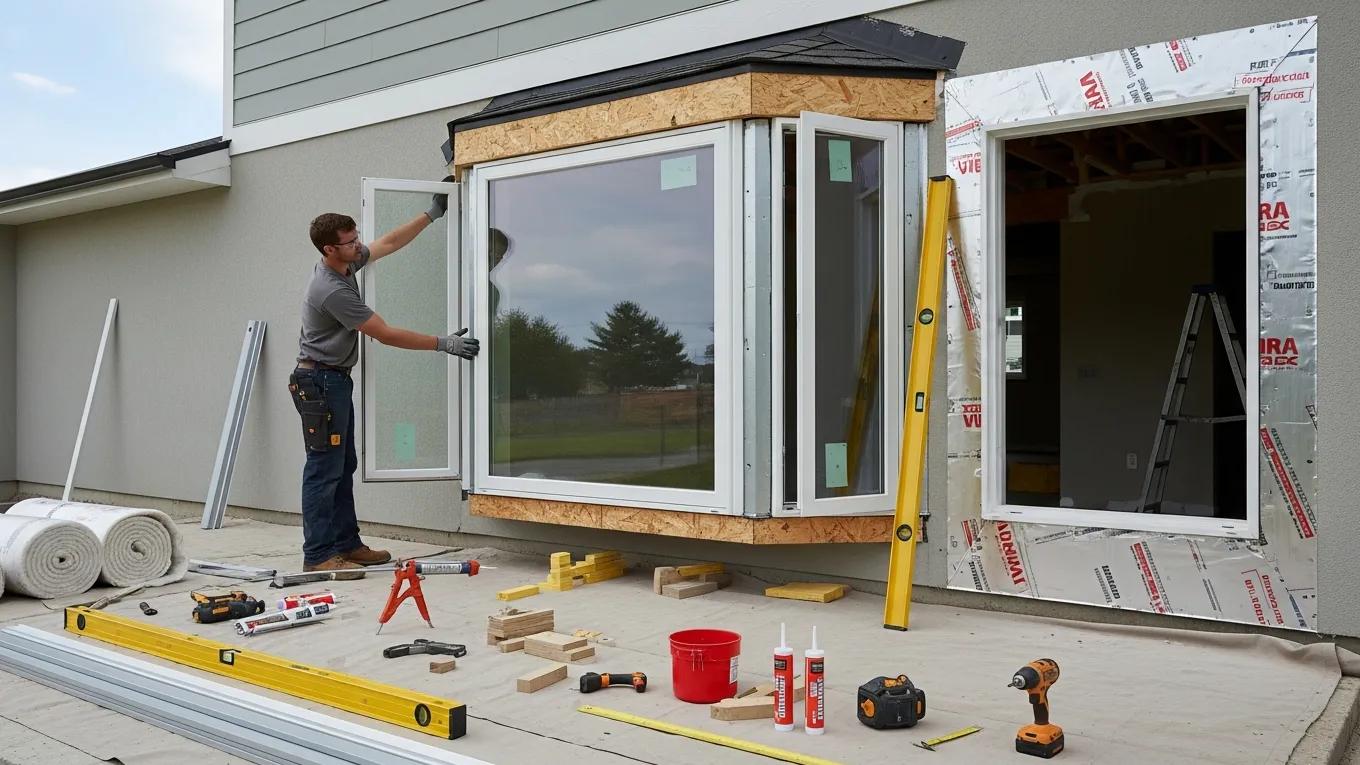
Proper installation protects structure and energy performance. Typical stages include consultation, design finalization, and professional fitting to prevent air and water ingress. Planning helps set realistic budgets and timelines.
- Consultation Process: Discuss goals, siting, and constraints.
- Design Finalization: Confirm dimensions, materials, and glazing specification.
- Professional Installation Importance: Skilled installers ensure correct flashing, insulation, and sealing for long-term performance.
Window Concepts provides complimentary consultations and written quotes to define the project scope.
Impact on Home Aesthetics
Bay windows create depth, alter interior proportion, and act as architectural focal points. Their geometry produces layered light and visual interest that suits living rooms, dining areas, or bedrooms.
- Creating Focal Points: They draw attention and frame views.
- Customization Options: Available in a range of styles and materials to match décor.
- Enhancing Curb Appeal: Externally they add architectural character and visual weight.
Energy Efficiency
When specified with insulated frames and suitable glazing, bay windows support better thermal performance and daylighting, reducing reliance on artificial lighting.
- Insulated Frames and Glass: Modern units include low-e glass and thermally-broken frames.
- Cost Savings on Energy Bills: Reduced heating, cooling, and lighting loads can lower operating costs.
- Improved Indoor Climate: Daylight and ventilation enhance comfort.
Energy Efficiency Ratings Comparison
Comparing common window types highlights typical insulation and cost ranges:
| Window Type | Insulation Rating | Energy Efficiency | Cost Range |
|---|---|---|---|
| Bay Windows | R-5 | High | $500 – $1,500 |
| Double-Hung Windows | R-3 | Moderate | $300 – $800 |
| Casement Windows | R-4 | High | $400 – $1,200 |
Bay windows often achieve higher insulation values (R-5) than many conventional types, making them a sound long-term choice when energy performance is a priority.
Styles and Designs Available

Bay configurations fit varied architectural contexts. Common options include:
- Bay Windows: Traditional three-panel projection.
- Bow Windows: Rounded, multi-panel assemblies for a softer curve.
- Custom Designs: Tailored solutions for specific dimensions or styles.
Choose a configuration that complements your façade and interior layout.
What Are the Primary Benefits of Bay Windows for Natural Light Enhancement?
By increasing glazed surface and facing multiple orientations, bay windows deliver deeper daylight penetration and more even interior illumination.
How Do Bay Windows Increase Natural Light in Residential Spaces?
Projecting beyond the façade lets bay windows capture light from several angles and accept larger panes, increasing perceived volume and, with operable vents, improving airflow.
This assessment aligns with standard principles on fenestration performance and daylighting strategy.
Windows & Daylighting: Enhancing Views and Natural Light
Windows provide external views and serve daylighting functions that determine indoor daylight distribution.
Highly Insulating Windows with a U-value less than 0.6 W/m2K, 2008
In What Ways Do Bay Windows Improve Home Aesthetics and Ambiance?
They create usable alcove space and change interior proportions; added daylight softens finishes and produces a warmer, more inviting ambience.
Which Types of Bay Windows Best Maximize Natural Light?
Both three-panel bays and multi-panel bow windows increase daylight; the best choice depends on orientation, wall area, and the look you want.
What Are the Distinct Styles of Bay Windows Available?
Options range from standard three-panel bays and curved bows to bespoke configurations designed for unique dimensional or stylistic needs.
How Do Different Bay Window Designs Affect Light Distribution?
Panel count, pane size, and projection angle determine light depth: larger glazing and wider projections push daylight farther into a room.
What Are the Cost Considerations and Energy Efficiency Benefits of Bay Window Installation?
Costs vary with materials, glazing, and structural work. Energy gains from improved insulation and daylighting can help offset initial expense over time.
How Does Bay Window Installation Impact Home Energy Efficiency?
Correct installation reduces thermal bridging and air leaks so the specified performance of insulated frames and low-e glass is retained, cutting HVAC and lighting demand.
What Is the Typical Installation Cost and Return on Investment for Bay Windows?
Prices depend on size and finish; many homeowners recoup some cost via increased property value and lower operational energy use.
How Should Homeowners Maintain Bay Windows to Preserve Natural Light Benefits?
Routine care sustains daylighting and weather resistance: clean glazing, inspect seals, and service moving parts as needed.
What Are the Recommended Maintenance Practices for Bay Windows?
Adopt the following routine:
- Regular Cleaning: Keep glass free of dirt to maximize light.
- Inspecting Seals: Check seals and flashing for wear or gaps.
- Professional Maintenance: Schedule periodic professional inspections and servicing.
Consistent upkeep extends service life and preserves natural light performance.
For product details and guidance, consult Window Concepts.
Frequently Asked Questions
What are the best locations in a home for installing bay windows?
Install them where views and light matter most: living rooms, dining areas, and bedrooms. Orientation and surrounding context determine solar exposure and placement.
How do bay windows affect indoor temperature regulation?
They influence solar gain and ventilation; specifying insulated frames and high-performance glazing limits unwanted heat transfer while operable vents support passive cooling.
Are there any building codes or regulations to consider when installing bay windows?
Yes. Local codes and egress rules can affect size and structural changes—consult authorities or a qualified installer to ensure compliance.
What maintenance is required for bay windows to ensure longevity?
Regular cleaning, seal inspections, frame monitoring, lubrication of moving parts, and periodic professional checks preserve performance.
Can bay windows be installed in older homes without compromising structural integrity?
Yes, but older homes often require a structural assessment and possible reinforcement; use contractors experienced in retrofits.
What are the energy efficiency ratings for different types of bay windows?
Ratings depend on glazing, frame material, and assembly. Well-specified bay windows commonly reach R-5 or better with insulated frames and high-performance glass.
How do bay windows compare to other window types in terms of light and space?
Because they project beyond the façade and increase glazed area, bay windows generally provide deeper daylight and a stronger sense of space than flat windows.
Conclusion
Bay windows improve daylighting, ventilation potential, and aesthetic character while offering strong energy-performance options when properly specified and installed. Choose appropriate materials and professional installation—such as services from Window Concepts—to realize these benefits in your home.