


HOPPER WINDOWS
YOUR TRUSTED SOURCE FOR ENERGY EFFICIENT WINDOWS

One STOP PREMIUM WINDOW INSTALLATION SERVICES
HOPPER WINDOWS
BUILT FOR BASEMENTS.
DESIGNED FOR DURABILITY.
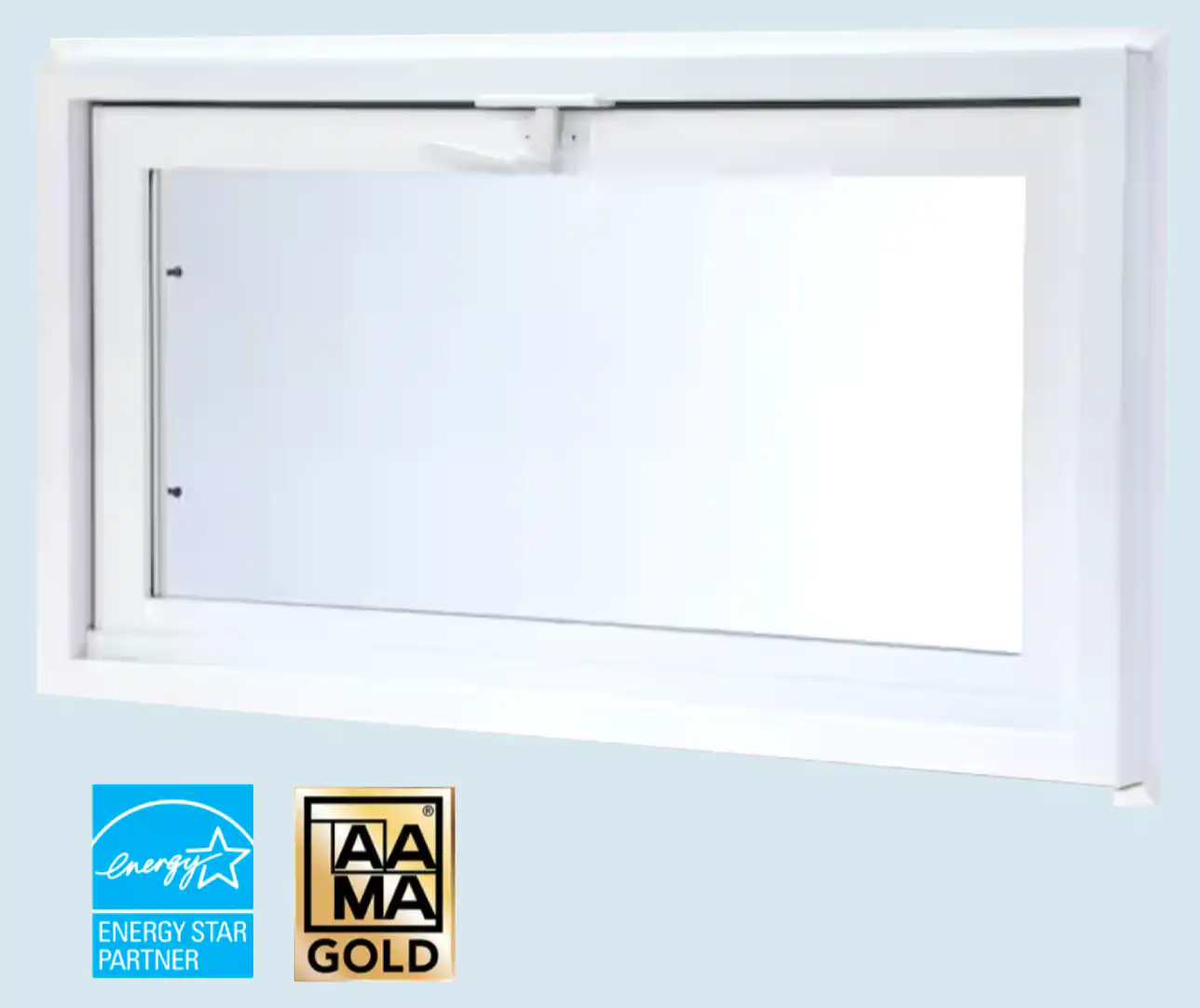
Hopper windows are the perfect solution for basements and utility spaces, offering ventilation, natural light, and a tight weather seal.
At Window Concepts, we install high-quality hopper windows engineered for energy efficiency, easy operation, and long-lasting performance.
Windows You’ll Love — Guaranteed


5.0 Star Client Approval Rating


Basement Hopper Windows in St. Charles, IL | Window Concepts
Need maximum ventilation in a tight space or basement? Discover how inward-swinging hopper windows provide a draft-free seal, easy cleaning, and optimal airflow where standard windows won’t fit.
Why Homeowners CHOOSE HOPPER Windows…
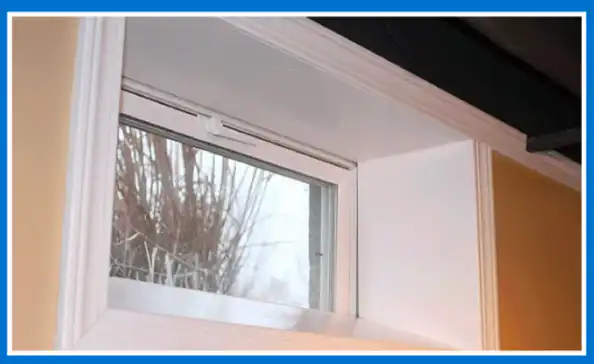
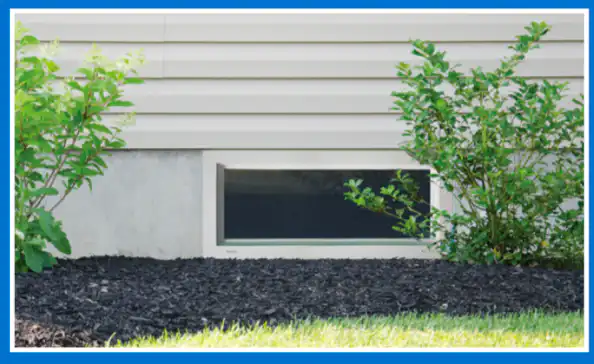
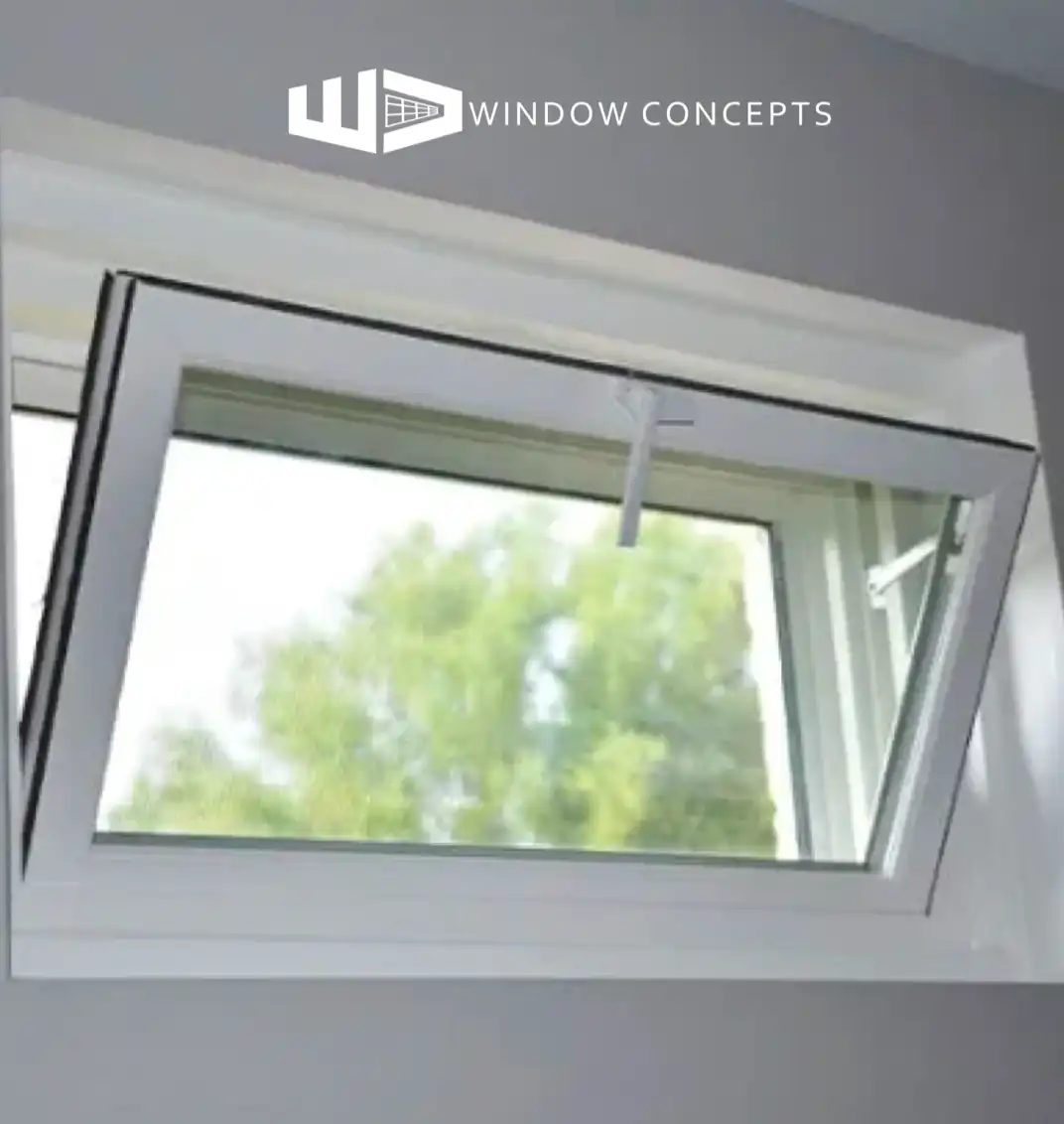

Perfect for Basements: Designed to provide fresh air and natural light in lower-level spaces.
Space-Saving Design: Hinges inward for easy opening, even in tight areas.
Energy Efficient: Creates a secure, weather-tight seal to keep out drafts and moisture.
Low Maintenance: Durable materials resist rust, rot, and corrosion for long-lasting use.
Enhanced Security: Sturdy locking mechanisms help keep your home safe and sealed.
Hopper Window Replacement FAQs
How do hopper windows handle ground moisture and snow accumulation in Chicago suburban window wells?
Hopper windows protect against moisture and snow in Chicago suburban window wells only as well as the well drains. A closed, properly sealed hopper keeps out drafts and incidental moisture, but it isn’t built to hold back standing water. Drainage, grading, and a fitted well cover do most of the protective work.
What the hopper design helps with, and what it doesn’t
- Helps: The sash is hinged at the bottom and opens inward, so it never swings into the well. That’s useful where exterior clearance is tight. When it’s closed and latched, the sash compresses against its weatherstripping.
- Doesn’t help: Opening inward doesn’t stop snow from piling against the glass or water from rising against the frame. When the window is open, it’s no barrier to weather at all. Keep it closed during snow, rain, and thaws.
How Chicago conditions affect the well
- Snow in an uncovered well: Drifts fill the well and turn into meltwater. Snow and ice can also plug the well drain.
- Thaw over frozen ground: During a midwinter warm spell or a spring thaw, meltwater can’t soak into frozen soil. It runs toward the foundation and collects in the well. Chicago-area waterproofing contractors cite rapid snowmelt and clogged well drains as recurring causes of basement water entry.
- Slow-draining soil: Much of the region sits on dense clay, so water in the well often has nowhere to go without a dedicated drain.
- Water pooling against the frame: This can cause leaks through the window or around its installation joint, no matter how good the sash seal is.
What a dependable setup needs
- A working drain below the sill: Washed gravel helps water move down. Where the soil won’t absorb it, the well also needs a drain tied into the foundation drain tile or sump system. Gravel alone doesn’t replace a working outlet.
- A fitted well cover: A sloped polycarbonate cover keeps out most snow, leaves, and rain. It won’t fix groundwater problems or a blocked drain.
- Grading and runoff control: Soil should slope away from the foundation, and downspouts should discharge well away from the window well.
- Seasonal cleaning: Clear out leaves and sediment before winter. Check for ice blockage during thaws. Don’t pile shoveled snow against the well.
- Sound installation seals: Inspect the frame-to-foundation joint and the flashing, not just the sash weatherstripping.
Signs of a drainage problem, not a window problem
Standing water in the well, leaks that show up every snowmelt, or sediment washing in all point to the well and surrounding runoff. Replacing the hopper won’t fix those.
Egress note: A small hopper doesn’t qualify as an emergency escape window just because it opens. If a basement opening serves as an egress window, its well cover must open easily from inside, without a key or tool, and snow and ice can’t be allowed to block it.
Why choose an inward-falling hopper window over an outward-opening awning window for a deep window well?
Choose a hopper window for a deep window well when exterior clearance is the problem. Its bottom-hinged sash tilts into the basement, so it never swings toward the well wall, cover, or ladder, and both sides of the glass can usually be cleaned from inside. A hopper isn’t inherently more waterproof than an awning window.
Why a hopper works better in a deep, confined well
- No outward swing: An awning sash needs open space in the well. A hopper moves that requirement indoors. What matters is the distance from the glass to the well wall, not the well’s depth.
- No conflict with a cover, steps, or ladder: The sash never pushes toward a close-fitting polycarbonate well cover or other obstructions in the well.
- Not blocked by winter buildup: In Chicago suburbs, an awning sash can’t open against snow, ice, or packed leaves at the bottom of a well. A hopper opens inward no matter what’s outside. Keep it closed when there’s snow against the glass, or the snow will fall in.
- Easier cleaning: Many hopper models let you reach the exterior glass from inside the basement, so you don’t have to climb down into a deep well. How easy this is depends on the model’s opening angle and hardware.
- Often no crank: Many hoppers use a simple latch instead of a crank operator. That avoids the stripped gears and stiff winter cranks common with awning hardware. Confirm the hardware on the specific model being quoted.
What you give up compared with an awning
- Interior clearance: The sash tilts into the room. Shelving, window treatments, ductwork, or a finished soffit near the top of the foundation wall can get in the way.
- Ventilation in rain: An open hopper lets rain and debris fall inside. An awning’s sash shelters the opening during light rain.
- Screen location: Hopper screens usually mount on the exterior, inside the well, which makes them harder to reach.
Which one fits your basement
- Narrow or covered well, clear wall inside: Choose a hopper.
- Roomy well, crowded interior wall, or ventilation during rain matters: Choose an awning.
- The opening has to serve as an emergency exit: Neither small unit should be assumed to qualify. Basement bedrooms usually need a code-compliant egress casement or slider with a properly sized well. Have the exact window and well configuration checked against your municipality’s requirements.
Neither opening direction keeps a flooded well from leaking. Drainage, runoff control, and a fitted cover remain separate decisions from the window style.
How do insulated vinyl hopper windows stop winter drafts and condensation in cold Illinois basements?
Insulated vinyl hopper windows cut basement drafts by closing a latched sash against continuous weatherstripping and by sealing the gap between the frame and the foundation. They reduce condensation by keeping the room-side glass warmer. Results still depend on an airtight installation and on keeping winter basement humidity near 25%.
How they stop drafts
Three parts of the window have to work together:
- Sash seal and latch: The sash must close evenly against intact weatherstripping, and the latch must pull it tight. Opening inward doesn’t make a window airtight. The seals and how the sash closes do.
- Insulating frame and glass: Vinyl frames, especially those with foam-filled chambers, conduct far less cold than the original steel basement windows common in older Illinois homes. Double- or triple-pane glass with low-E coatings and gas fills slows heat loss through the closed window.
- Frame-to-foundation air sealing: The joint between the window and the masonry opening needs low-pressure window-and-door foam or backer rod and sealant before the trim goes on. Trim isn’t an air barrier. Too much foam pressure can bow a vinyl frame and keep the sash from closing properly.
Air sealing keeps outside air out. Insulation slows heat moving through the window. A basement needs both to stay comfortable.
How they reduce condensation
Condensation forms when humid basement air meets a cold surface. Each insulating component keeps the room-side surface warmer:
- Double or triple glazing keeps the interior pane closer to room temperature.
- Low-E coatings reflect heat back into the room and improve the glass’s insulating performance.
- Argon or Gas slows heat transfer through the sealed glass unit. It doesn’t remove moisture from the air.
- Warm-edge spacers reduce cold at the glass perimeter, where condensation usually forms first.
- Insulated vinyl frames keep the frame surface from becoming a cold spot.
Why basement humidity still matters
Damp foundation walls, groundwater, and water entering through the window well keep basement air humid, and a new window won’t remove those sources. Fix drainage or leaks first, then use a dehumidifier or mechanical ventilation as needed. Measure humidity instead of guessing. University of Minnesota Extension suggests about 25% relative humidity as a general winter guideline, with lower levels needed during deep cold. Opening a basement window in winter isn’t a reliable way to control moisture.
If condensation persists on a well-insulated window, the cause is excess moisture, not the window.
Get a FREE Quote!
Simply fill out the Inquiry Form and we will get back to you within 24 hours with an Instant Quote!

OR call US At:
FROM QUOTE TO INSTALLATION — WE MAKE GETTING NEW WINDOWS EFFORTLESS
There’s No Easier Way To UPGRADE YOUR WINDOWS With Our Simple 3 Step Process
Step 01
CONTACT US BELOW OR GIVE US A CALL
Together we will learn more about your window needs and schedule a Free consultation.

Step 02
GET A QUOTE & RECEIVE CONTRACT
After receiving the quote and contract our installers will come to your home to take precise measurements.
Step 03
ENJOY YOUR NEW WINDOWS
We will professionaly install your new windows once production is completed.
REAL HOMEOWNERS — REAL RESULTS YOU CAN SEE
See why HOMEOWNERS trust us to upgrade their windows with quality and care


 Trustindex verifies that the original source of the review is Google.
 Trustindex verifies that the original source of the review is Google.
 Trustindex verifies that the original source of the review is Google.
 Trustindex verifies that the original source of the review is Google.
 Trustindex verifies that the original source of the review is Google.
 Trustindex verifies that the original source of the review is Google.
 Trustindex verifies that the original source of the review is Google.
 Trustindex verifies that the original source of the review is Google.
 Trustindex verifies that the original source of the review is Google.
LETS TURN YOUR DREAM WINDOWS INTO REALITY

Free Window Consultations
Together let’s discuss your window needs.
Free Custom Quote
Receive a detailed quote tailored to your project.