

Discover How Energy-Efficient Sliding Glass Patio Doors Enhance Your Home’s Energy Savings Today

Sliding glass patio doors perform a functional role in a home’s thermal envelope in addition to their visual appeal. They admit daylight while providing insulation that can reduce heating and cooling loads. As utility costs increase, homeowners seek effective measures; energy-efficient sliding doors address that need. This article examines benefits, materials and features that enhance performance, installation procedures, projected savings, and maintenance practices to sustain efficiency.
What Are the Key Benefits of Sliding Glass Doors for Home Energy Efficiency?
Sliding glass doors deliver several measurable benefits that improve residential energy performance.
- Energy-Efficient Design : These doors are designed to minimize heat transfer, keeping your home cooler in the summer and warmer in the winter.
- Tight Seals : High-quality sliding glass doors feature tight seals that prevent drafts, reducing the workload on your heating and cooling systems.
- Natural Light : By allowing more natural light into your home, sliding glass doors can reduce the need for artificial lighting, further lowering energy consumption.
Window Concepts, a regional specialist in window and door replacement, provides a selection of energy-efficient sliding glass doors intended to improve household energy savings.
How Do Sliding Glass Doors Improve Insulation and Reduce Energy Costs?
Sliding glass doors enhance insulation through design measures that limit air leakage. Double- or triple-glazed units create insulating cavities that reduce conductive heat loss. Low-emissivity (Low-E) glass helps retain interior heat in winter and reduce solar heat gain in summer, lowering energy consumption. Together, these attributes support stable indoor temperatures and reduced utility expenditures.
Which Energy-Saving Features Differentiate Sliding Glass Patio Doors?
Several energy-saving features distinguish sliding glass patio doors from conventional doors.
- Double or Triple-Glazed Glass : These options provide superior insulation compared to single-pane glass, reducing heat transfer.
- Low-E Glass Options : Low-E coatings reflect infrared light, keeping heat inside during winter and blocking it during summer.
- Thermal Break Technology : This feature minimizes heat transfer through the door frame, enhancing overall energy efficiency.
These design elements collectively improve a home’s thermal performance, making sliding glass doors a prudent investment for energy savings.
Which Materials and Glass Options Offer the Best Insulated Sliding Doors?
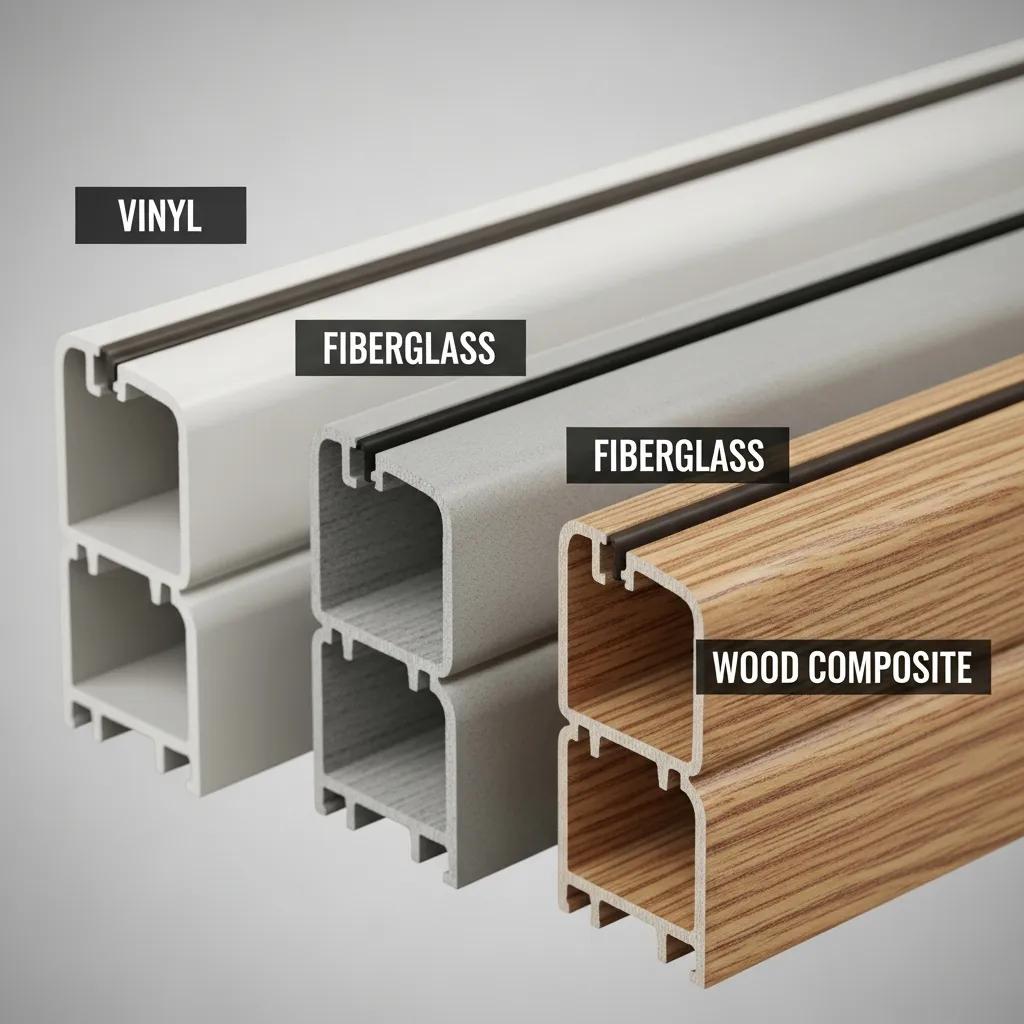
Frame material and glazing selection have a direct impact on a sliding door’s thermal performance.
- Vinyl Windows : Known for their excellent insulation properties, vinyl frames are resistant to warping and require minimal maintenance.
- Fiberglass Windows : These frames offer superior strength and energy efficiency, making them a durable choice for sliding doors.
- Wood Composite Windows : Combining the aesthetic appeal of wood with the energy efficiency of synthetic materials, wood composites provide a balanced option.
What Are the Energy Ratings and Thermal Properties of Vinyl, Wood, and Aluminum Frames?
Evaluating energy ratings and thermal characteristics is essential to select the most appropriate material for specific performance objectives.
| Material | Energy Efficiency Rating | Thermal Properties |
|---|---|---|
| Vinyl | High | Excellent insulation, low thermal conductivity |
| Wood | Moderate | Good insulation, requires maintenance |
| Aluminum | Low | Poor insulation unless thermally broken |
The table compares material performance to assist homeowners in selecting the best option for their energy objectives.
How Does Low-E Glass and Thermal Break Technology Enhance Door Performance?
Low-E glazing and thermal break systems are integral to improving sliding door thermal efficiency.
- Low-E Glass : This type of glass has a special coating that reflects heat while allowing natural light to enter, improving insulation without sacrificing brightness.
- Thermal Break Technology : By incorporating a non-conductive material between the interior and exterior frames, thermal break technology reduces heat transfer, making the door more energy-efficient.
When combined, these technologies stabilise interior temperatures and contribute to measurable reductions in energy use.
What Is the Recommended Installation Process for Energy-Efficient Sliding Glass Patio Doors?
Correct installation is essential to achieve the designed energy performance of sliding glass doors.
- Assessment and Measurements : Accurate measurements ensure a proper fit, preventing air leaks.
- Removal of Old Doors : Careful removal of existing doors is necessary to prepare for the new installation.
- Final Inspection : After installation, a thorough inspection ensures that seals are tight and the door operates smoothly.
Why Is Expert Installation Critical for Maximizing Energy Savings?

Professional installation ensures doors meet specification and perform as intended.
- Proper Sealing and Insulation : Professionals ensure that all seals are tight, preventing drafts that can lead to energy loss.
- Avoiding Common Errors : Experienced installers are familiar with potential pitfalls that can compromise the door’s performance.
Engaging qualified installers improves the probability of achieving the projected energy savings.
What Are Best Practices for Weatherproofing and Sealing Sliding Doors?
Adopting established weatherproofing practices preserves a sliding door’s energy performance.
- Use Quality Materials : High-quality weatherstripping and caulking can prevent air leaks.
- Regular Maintenance : Periodic checks for wear and tear on seals and frames can help identify issues before they become significant problems.
- Adjustments : Ensuring that the door is properly aligned can prevent gaps that allow air to escape.
Implementing these measures helps maintain the door’s thermal performance over time.
How Much Can Homeowners Save on Energy Bills with Sliding Glass Patio Doors?
Homeowners can achieve measurable reductions in energy expenditure by installing energy-efficient sliding patio doors.
- Reported Savings of Up to 25% : Many homeowners report reductions in energy costs of up to 25% after upgrading to energy-efficient doors.
- Impact of Energy-Efficient Windows : The combination of sliding glass doors with energy-efficient windows amplifies these savings, creating a more cohesive energy-efficient home.
What Do Recent Studies Reveal About Energy Savings and Cost Benefits?
Recent analyses demonstrate that energy-efficient sliding doors provide tangible cost benefits.
- Lower Utility Bills : Homeowners who invest in these doors often see a decrease in their monthly utility bills, contributing to long-term savings.
- Improved Comfort : Enhanced insulation not only saves money but also improves overall comfort within the home.
The evidence reinforces the financial rationale for upgrading to energy-efficient sliding glass doors.
How Does Chicago’s Climate Influence Sliding Door Energy Efficiency?
Chicago’s seasonal extremes impose specific requirements on sliding door performance.
- Cold Winters and Hot Summers : The city’s extreme temperature fluctuations necessitate doors that can effectively insulate against both heat loss and heat gain.
- Importance of Proper Installation : Given the local climate, ensuring that sliding glass doors are installed correctly is crucial for maximizing their energy efficiency.
Accounting for these climatic factors supports more informed decisions when selecting and installing sliding doors.
How Should Homeowners Maintain Sliding Glass Patio Doors for Longevity and Efficiency?
Routine maintenance preserves both the service life and thermal performance of sliding patio doors.
- Inspect Seals and Weatherstripping : Regular checks can identify wear that may lead to air leaks.
- Regular Maintenance Checks : Periodic inspections of the door’s operation can prevent issues that affect energy efficiency.
What Are Effective Maintenance Tips to Preserve Insulation and Weatherproofing?
To preserve insulation and weatherproofing, implement the following maintenance actions:
- Inspect Seals Regularly : Look for signs of wear and replace seals as needed to maintain energy efficiency.
- Apply Caulk as Needed : Re-caulking around the door frame can prevent air leaks and improve insulation.
These routine maintenance activities help ensure sliding doors continue to perform efficiently.
When Is Replacement Recommended to Sustain Energy Performance?
Replace sliding doors when clear indicators of degraded performance are present.
- Older Than 20 Years : Doors that are over 20 years old may not meet current energy efficiency standards.
- Frequent Drafts : If drafts are consistently felt around the door, it may be time for a replacement to maintain energy performance.
Timely recognition of these indicators enables homeowners to make replacement decisions that protect energy performance.
For additional energy-efficient options that complement sliding glass doors, consider the awning windows .
To review a range of products and services, visit Window Concepts to evaluate solutions that can improve both energy efficiency and aesthetic value.
Frequently Asked Questions
What are the signs that my sliding glass doors need replacement?
Consider replacement if doors are older than 20 years, as they may not meet current efficiency standards. Persistent drafts suggest compromised seals and energy loss. Additional indicators include difficulty operating the door, visible frame damage, or condensation between panes; each can degrade insulation and overall performance.
How can I enhance the energy efficiency of my existing sliding glass doors?
Start by inspecting and replacing worn weatherstripping and seals to eliminate drafts. Apply caulk around the frame to close gaps and consider thermal window treatments, such as insulated curtains, to reduce heat loss. Regular tasks—cleaning tracks and verifying alignment—support sustained performance and longevity.
Are there any specific brands known for energy-efficient sliding glass doors?
Manufacturers such as Pella, Anderson, and Milgard are frequently cited for energy-efficient sliding door options that incorporate advanced insulation, Low-E glazing, and robust materials. Prioritise products with strong energy ratings and positive customer feedback to ensure a reliable investment.
What is the average cost of installing energy-efficient sliding glass doors?
Installation costs vary by brand, materials, and site complexity. Typical installed costs range from $1,000 to $3,000 per door. Custom sizes or additional features will increase the price. Obtain multiple contractor quotes to balance cost with installation quality.
How do sliding glass doors compare to traditional doors in terms of energy efficiency?
Sliding glass doors typically outperform conventional hinged doors in thermal efficiency due to advanced glazing options and tighter sealing systems. Features such as double/triple glazing and Low-E coatings reduce heat transfer, while improved seals limit drafts, supporting lower energy consumption.
What maintenance tasks should I prioritize for my sliding glass doors?
Prioritise inspecting seals and weatherstripping and replace them when worn. Clean tracks to ensure smooth operation and check for frame damage or misalignment. Periodic re-caulking around the frame helps maintain insulation and prevent air infiltration.
Can I install sliding glass doors myself, or should I hire a professional?
While DIY installation is possible, professional installation is strongly recommended to achieve optimal energy performance. Certified installers provide accurate measurements, correct sealing and alignment, and compliance with local codes, reducing the risk of costly errors.
Conclusion
Investing in energy-efficient sliding glass patio doors improves both a home’s appearance and its operational costs through enhanced insulation and considered design. Selecting high-quality materials and Low-E glazing delivers sustained savings and improved indoor comfort. Regular maintenance and professional installation ensure doors meet performance expectations and maximise efficiency. Review available energy-efficient options to plan upgrades that reduce energy use and operating expenses.