

Awning Window Installation: What to Expect for Your Existing Home
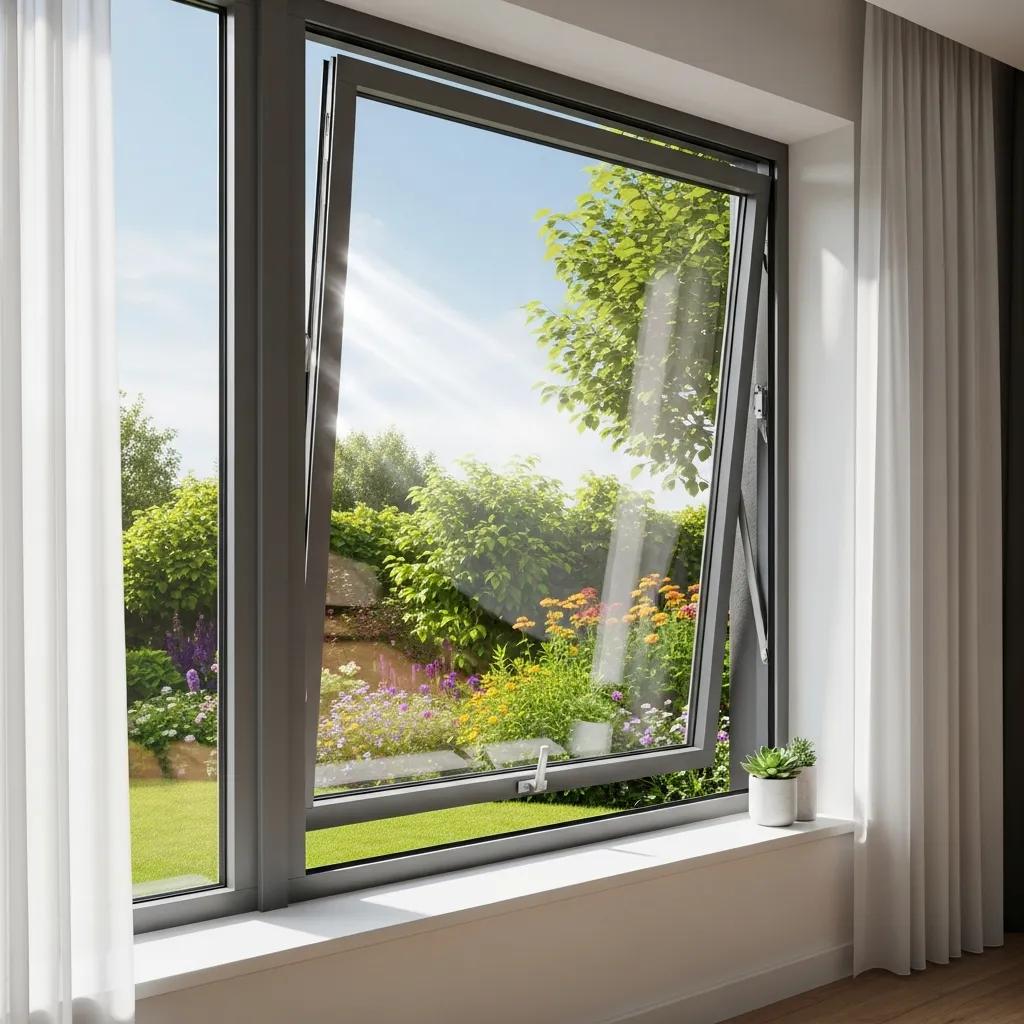
Awning windows are a smart way to refresh the look and function of an older house. Below is a clear, step-by-step guide to the awning window installation process, including common challenges and the actions that lead to a successful job. Older homes often need extra attention to framing and weatherproofing — knowing the process helps you make choices that improve airflow and lower energy bills. We cover what awning windows are, installation complexities, a practical installation checklist, special considerations for existing structures, cost drivers and financing, and why local homeowners choose Window Concepts in the Chicago suburbs.
What Are Awning Windows and Why They Work Well in Existing Homes
Awning windows hinge at the top and swing outward, letting fresh air in while keeping rain out. Because they open from the top, they work well in tight spots and suit many architectural styles — which makes them a great fit when retrofitting older houses.
What makes an awning window — key features
Awning windows use a top hinge so the sash tilts out and creates a small overhang. That keeps rain off while letting air flow. They’re commonly built with energy-conscious materials and glazing options that improve insulation and lower heating and cooling costs.
How awning windows help with ventilation and weather protection
Their outward-opening design lets you ventilate during light rain and gives steady airflow without exposing the interior to moisture. Combined with quality frames and glass, awning windows also contribute to better thermal performance — a practical upgrade for year-round comfort.
How Difficult Is Installing Awning Windows in an Existing Structure?
Installation difficulty depends on the home’s age and the condition of the existing openings. Knowing what to look for ahead of time reduces surprises and keeps the project on schedule.
What challenges do older homes present?
Older homes can have out-of-square openings, rotted sills, or undersized framing. Those issues often require repair or custom fitting before the new unit can be installed properly. Addressing them up front prevents leaks and operation problems later.
DIY versus professional installation: pros and cons
Some homeowners install windows themselves to save money, but mistakes are common without experience. Professionals cost more up front, but they bring expertise, proper flashing, and warranty coverage — which usually pays off in long-term performance.
| Installation Method | Pros | Cons |
|---|---|---|
| DIY | Lower upfront cost; hands-on control | Greater risk of errors; can be time-consuming |
| Professional | Skilled installation; backed by warranty | Higher initial cost; less personal involvement |
Step-by-Step: Installing Awning Windows

Step 1: Prepare and measure
Start with accurate measurements of the rough opening and verify the wall is plumb and level. Gather a tape measure, level, pry bar, and safety gear. Correct prep ensures the replacement unit fits and operates as intended.
Step 2: Install and level the frame
Set the window frame into the opening, secure it, and use shims to level and square the unit. Proper alignment prevents binding and makes sure the sash seals correctly.
Step 3: Flashing and weatherproofing
Install flashing and a continuous sill pan to direct water away from the opening. Quality flashing and correct overlaps are essential to prevent leaks and protect the structure for years.
Step 4: Install the sash and test operation
Fit the sash into the frame and operate the window through its full range. Adjust hardware and seals so the window opens, closes and locks smoothly.
Step 5: Finish interior and exterior trim
Complete the job with interior trim, exterior caulking, and sealant. These final details improve appearance and close any gaps that could let air or water in.
Special Considerations When Working with Existing Homes
How uneven openings and structural issues affect installation
Irregular openings often need furring, shims, or new framing to accept a modern window. Inspect surrounding materials for rot or pest damage — repairing those conditions first protects your investment.
Local codes and weather in the Chicago suburbs
Follow local building codes and account for seasonal weather — heavy snow, wind, and freeze-thaw cycles all influence flashing methods, sill design, and product selection. We always factor local conditions into our recommendations.
Costs and Financing for Awning Window Installation

Which variables drive professional installation costs?
Price depends on window style and size, material quality, labor complexity, and any needed structural repairs. Planning for these variables helps you budget realistically for the full job.
Financing options from Window Concepts
We offer flexible financing, including 0% interest for 18 months, to make projects more manageable. Free consultations and custom quotes are available so you can compare options before you commit.
Why Homeowners in the Chicago Suburbs Choose Window Concepts
Experience and quality you can count on
Window Concepts is a family-run business with over 40 years of local experience. We focus on energy-efficient windows and stand behind our work — reflected in our 5.0 Star Client Approval Rating.
How our 3-step installation process delivers consistent results
Our simple, three-step process keeps projects organized: consult, measure and install. That clarity helps us finish on time and gives you peace of mind throughout the job.
Several cost factors affect the overall price of awning window installation.
Below is a table summarizing these variables:
| Cost Factor | Description | Impact Level |
|---|---|---|
| Window Type | Style, size and frame material influence price | High |
| Labor Costs | Depends on complexity and local rates | Medium |
| Material Costs | Higher-quality materials raise the total cost | High |
Frequently Asked Questions
What maintenance do awning windows need after installation?
Maintenance is simple: clean glass and frames, check seals and weatherstripping for wear, and lightly lubricate hinges and hardware. Routine checks help prevent problems and extend the window’s life.
Can awning windows be used in any climate?
Yes — awning windows work in most climates because they allow ventilation while shedding light rain. In areas with extreme wind or heavy snow, choosing the right materials and installation details is important for long-term performance.
What energy-efficiency ratings should I look for?
Look for low U-factor and an appropriate SHGC for your climate. ENERGY STAR certification is a good benchmark. These ratings help you compare performance and estimate energy savings.
Are certain awning styles better for specific home designs?
Yes. Sleek aluminum or fiberglass frames suit modern homes, while wood or composite frames fit traditional styles. Size and placement also affect sightlines and ventilation — we can help match style to your home.
What common mistakes should be avoided during installation?
Common errors include poor measuring, insufficient flashing, and failing to level the frame. Each can cause leaks or operational problems. Professional installation reduces these risks.
How do I make sure my awning windows stay weatherproof?
Proper flashing, sill pans, quality caulking, and good weatherstripping are the core steps. Regular inspections and maintenance ensure those protections continue to work season after season.
Conclusion
Awning windows offer reliable ventilation and weather protection, making them a practical upgrade for many homes. Understanding the installation steps and special considerations for existing structures helps you plan with confidence. Choose Window Concepts for experienced, local service and flexible financing to get your awning window project started the right way.