

Energy‑Efficient Windows Compared: Find the Best Options for Savings and Comfort

Upgrading to energy‑efficient windows is one of the simplest ways to cut utility costs and make your home more comfortable year‑round. Well‑made windows reduce heat loss in winter and limit heat gain in summer — which adds up to real savings. This guide walks through the top window options for 2024: styles, frame materials, glass technologies, energy ratings, costs, and financing. Throughout, we’ll show how Window Concepts — a family‑run company with more than 40 years serving Chicago suburbs — can help you choose and install the right windows for your house.
Top Energy‑Efficient Window Styles for 2024
Several window styles deliver strong energy performance while meeting different needs for light, ventilation, and curb appeal. The most energy‑efficient choices to consider are:
- Casement Windows: Hinged at the side and opening outward, casements close tightly against the frame for minimal drafts and excellent sealing.
- Double‑Hung Windows: With two operable sashes, these windows give flexible airflow and easy cleaning — a practical, familiar option for many homes.
- Bay and Bow Windows: Projecting outward, these styles bring in more daylight and create usable interior space, which can reduce lighting needs and improve comfort.
Picking the right style depends on where the window will go and what you prioritize: maximum insulation, ventilation, or added living space.
Casement vs. Double‑Hung: Which Is More Efficient?
Both are solid choices, but they perform differently. Casements generally deliver a lower U‑factor because their sash compresses against the frame, producing a tighter seal and less air leakage. Double‑hung windows offer better ventilation control since you can open the top, bottom, or both sashes. If airtightness is your main goal, casements usually have the edge; if you want flexible airflow, double‑hung may be a better fit.
How Bay, Bow, and Specialty Windows Help With Energy Savings
Bay, bow, and other specialty windows improve daylighting and can create a shallow thermal buffer between inside and outside air. More natural light reduces reliance on electric lighting, and correctly installed units help maintain indoor temperatures — both of which reduce energy use while adding architectural interest.
Which Frame Materials Deliver the Best Energy Performance?

Frame material affects insulation, durability, maintenance, and cost. Here’s a quick comparison to help you weigh the tradeoffs.
| Material | Energy Efficiency Rating | Cost |
|---|---|---|
| Vinyl | High | Moderate |
| Fiberglass | Very High | Higher |
| Wood | Moderate | High |
| Composite | High | Moderate |
Vinyl frames offer good insulation at an affordable price. Fiberglass costs more but provides top‑tier thermal performance and long life. Wood has classic appeal but needs ongoing care to stay efficient. Composite frames blend the look of wood with low maintenance and solid insulating properties.
Comparing Vinyl, Fiberglass, Wood, and Composite Frames
For many homeowners, vinyl and fiberglass strike the best balance between performance and cost. Fiberglass performs especially well in extreme temperatures and holds its shape over time. Wood is attractive but can warp or rot without consistent maintenance. Composite frames are a versatile middle ground when you want style and low upkeep.
Maintenance and Durability: What Affects Energy Performance?
How a frame ages and how it’s maintained will change its insulating ability. Vinyl and fiberglass require little upkeep and resist warping; wood needs periodic painting or sealing to avoid moisture damage. Choosing a durable, well‑installed frame helps preserve energy savings for decades.
How Advanced Glass Technologies Boost Window Efficiency
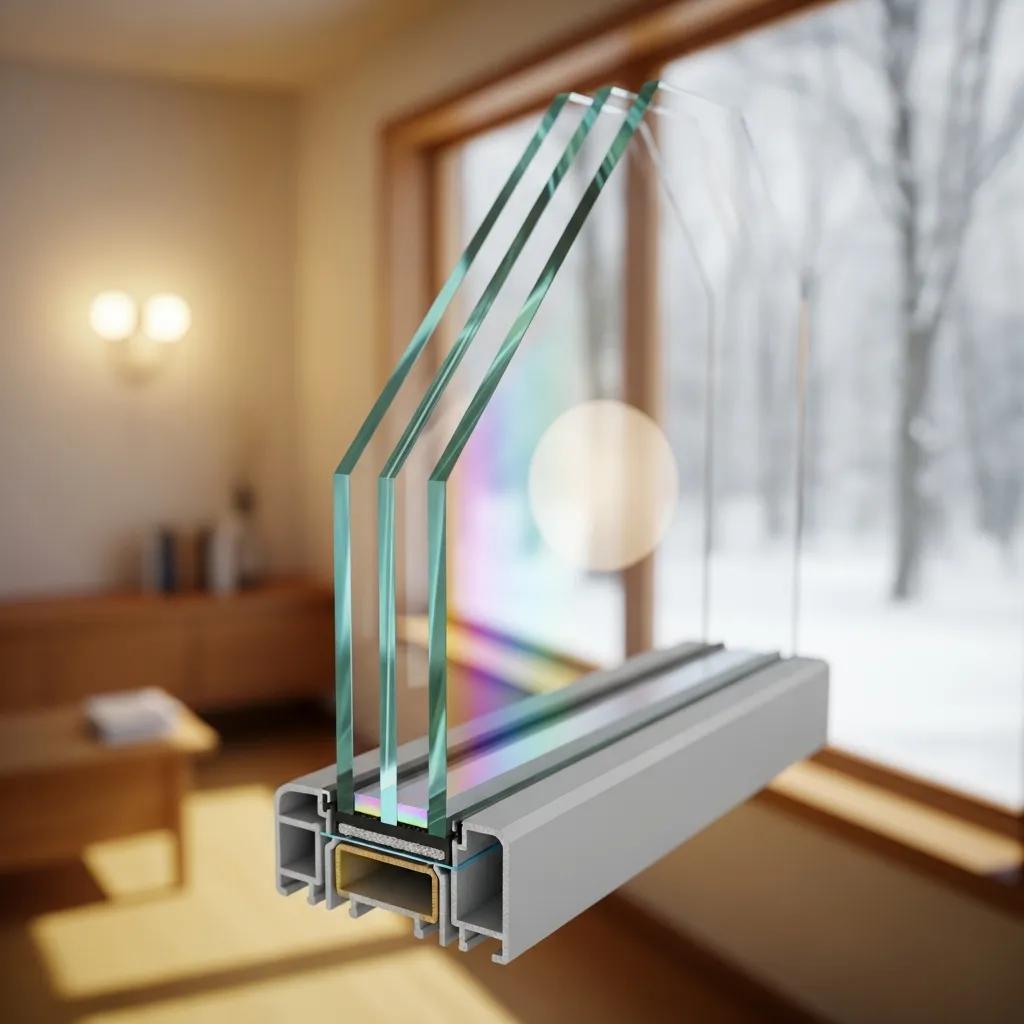
Glass tech is where most energy gains happen: Low‑E coatings, gas fills, and multiple glazing layers significantly reduce heat transfer while still letting light in.
Modern research and simulation tools have helped builders adopt Low‑E coatings, inert gas fills, and improved frame designs more widely because they reliably predict energy performance.
Advanced Window Performance: U‑factor, Low‑E, Gas Fills, and Frame Design
Computer modeling of fenestration (U‑factor, SHGC, VT) is a cost‑effective way to quantify product energy properties. Simulation tools have helped increase the use of low‑e coatings and gas fills in insulating glass and encouraged insulating frame designs and materials.
What Low‑E Coatings Do for Heat and UV Protection
Low‑E (low emissivity) coatings are microscopically thin layers on glass that reflect infrared heat while allowing visible light through. That keeps homes warmer in winter and cooler in summer, and the coating also cuts UV exposure to protect floors and furnishings from fading.
Double‑Pane, Triple‑Pane, and Gas Fills: How They Work
Insulated glass units use two or three panes separated by a sealed spacer and often filled with argon or krypton. Argon is a cost‑effective insulator; krypton delivers slightly better performance at a higher cost. More panes and the right gas fill reduce heat transfer and improve comfort.
Understanding Window Energy Ratings and How to Read Them
Energy ratings translate technical performance into numbers you can compare. They tell you how a window will perform for insulation, solar heat gain, and overall efficiency.
U‑Factor: Why It Matters for Chicago Winters
U‑factor measures heat flow through a window — lower is better. In cold climates like Chicago, choose windows with a low U‑factor to keep heat inside and reduce heating bills. A lower U‑factor directly improves year‑round comfort.
SHGC, NFRC, and ENERGY STAR: How They Guide Your Choice
SHGC (Solar Heat Gain Coefficient) shows how much solar heat a window transmits — lower values reduce summer heat gain. The NFRC provides standardized test ratings so you can compare products side‑by‑side. ENERGY STAR labels signal that a window meets regional guidelines for efficiency, making it easier to pick a high‑performance option.
Costs, ROI, and Financing for Energy‑Efficient Windows
New windows are an investment that typically pays back over time through lower energy bills and improved comfort. Knowing the typical costs and available incentives helps plan the project.
Typical Cost to Replace With Energy‑Efficient Windows
Replacement prices vary by size, style, frame material, and installation complexity. Expect a range of about $300 to $1,200 per window on average. While the upfront cost varies, long‑term energy savings and increased home value often justify the expense.
Financing and Incentives Available in the Chicago Suburbs
Local and federal rebate programs, tax incentives, and low‑interest financing can make upgrades more affordable. Window Concepts offers a free consultation to review incentives and financing options so you find the best path for your budget.
How Window Concepts Delivers Expert Installation and Local Support
Correct installation is essential to get the full energy benefits of new windows. Window Concepts specializes in energy‑efficient window sales and professional installation, providing hands‑on guidance every step of the way.
Step‑by‑Step: Our Installation Process
Here’s what to expect when we replace your windows:
- Consultation: We discuss your goals and recommend options that match your home and budget.
- Measurement: Precise measurements ensure a proper, air‑tight fit.
- Removal: We remove old windows carefully to protect surrounding finishes.
- Installation: New windows are installed to manufacturer specs for long‑term performance.
- Sealing: Proper sealing and insulation minimize drafts and thermal bridging.
- Final Inspection: We walk through the finished job to confirm fit, function, and your satisfaction.
Following these steps helps ensure your windows perform as expected for years to come.
Why Local Expertise Matters for Chicago Suburban Homes
A local installer understands regional climate, common construction details, and local codes — all important for a reliable installation. Working with Window Concepts means you get prompt service and ongoing support from a team that knows the area.
Frequently Asked Questions
What should I consider when choosing energy‑efficient windows?
Look at window style, frame material, glass options (Low‑E, number of panes, gas fills), and certified ratings like U‑factor and SHGC. Balance initial cost with long‑term energy savings and the specific needs of each room.
Will energy‑efficient windows increase my home’s resale value?
Yes. Buyers often value energy savings and comfort, so modern, efficient windows can make your home more attractive and may command a higher selling price. They can also qualify you for certain tax credits or rebates.
What environmental benefits come from installing energy‑efficient windows?
Better windows reduce the energy needed for heating and cooling, which lowers greenhouse gas emissions tied to your home’s energy use. Many efficient windows also use sustainable materials, further reducing environmental impact.
Which window brands are commonly recommended?
Brands such as Andersen, Pella, and Marvin are well known for quality and energy performance. Simonton and Milgard often provide good value. Consider warranties, local dealer support, and NFRC ratings when choosing a brand.
How long do energy‑efficient windows typically last?
Lifespan depends on material and installation: vinyl and fiberglass windows often last 20–40 years, wood around 15–30 years with proper maintenance. Good installation and care extend useful life.
How do energy‑efficient windows hold up in extreme weather?
High‑quality, well‑installed windows perform well in severe weather. Features like strong frames, multiple glazing layers, Low‑E coatings, and proper sealing improve resistance to heat, cold, and wind. Make sure windows are rated for local conditions.
Conclusion
Upgrading to energy‑efficient windows improves comfort, reduces energy costs, and can boost your home’s value. By understanding styles, frames, glass technologies, and ratings, you can choose windows that match your priorities. Partnering with Window Concepts gives you local expertise and professional installation to make sure those choices deliver real results. Contact us to explore energy‑efficient window options and start saving.