

Energy‑Efficient Windows: How They Improve Comfort and Lower Your Energy Bills

Energy‑efficient windows limit heat transfer, block unwanted solar gain, and keep airtight seals so your heated or cooled air stays inside — all while cutting utility costs. This guide breaks down what energy‑efficient windows are, how they work, and which features matter most for homeowners in the Chicago suburbs, where cold winters and hot summers influence the best choices. You’ll get clear comparisons (double‑pane vs. triple‑pane), honest trade‑offs for frame materials, realistic expectations for energy and comfort gains, and practical cost and financing options that make upgrades feasible. We also cover why installation quality matters, how orientation and local climate affect selection, and answer common homeowner questions so you can decide whether retrofit or full replacement is right for your home. Read on for homeowner-focused examples, easy-to-follow tables, and actionable steps to evaluate, finance, and install windows that save money and improve year‑round comfort.
What Are Energy‑Efficient Windows and How Do They Work?
Energy‑efficient windows are complete assemblies built to slow thermal transfer and limit solar heat gain while staying airtight and clear. They do this with Low‑E (low‑emissivity) coatings that reflect infrared heat, inert gas fills (argon or krypton) between panes to reduce conduction, and insulated frames and warm‑edge spacers that cut thermal bridging. Together, these features lower your heating and cooling loads, reduce HVAC cycling, and reduce indoor temperature swings — which translates into energy savings and a more comfortable home. Knowing how these elements interact helps you choose glass, gas fills, and frames that match Chicago’s climate and your home’s orientation for the best real‑world performance.
What Features Make a Window Energy Efficient?
Energy‑efficient windows combine several parts — coatings, multi‑pane glass, gas fills, and tight seals — to slow heat flow and stop drafts. Low‑E coatings are ultra‑thin metallic layers that reflect long‑wave infrared heat while letting visible light through; that helps keep heat inside in winter and reflects unwanted solar heat in summer. Filling the space between panes with argon or krypton cuts conductive heat transfer compared with ordinary air, improving insulation. High‑quality frames, warm‑edge spacers, and durable weatherstripping finish the system by reducing convective losses and preventing leaks that undermine rated performance.
Energy‑efficient windows commonly include:
- Low‑E coatings that control radiant heat transfer and block some UV light.
- Argon or krypton gas fills that reduce conduction between panes.
- Insulated frames and high‑performance seals to prevent air infiltration.
When combined, these features make windows measurable contributors to your home’s thermal envelope and overall energy performance.
How Do Energy Ratings Impact Window Performance?
Window performance is summarized by objective metrics — primarily U‑factor and SHGC — plus NFRC and ENERGY STAR certifications that make product comparisons straightforward. U‑factor measures heat transfer (lower is better) and matters most in cold climates; Solar Heat Gain Coefficient (SHGC) measures how much solar energy passes through (lower SHGC reduces unwanted summer heat). NFRC labels give standardized ratings for U‑factor, SHGC, visible transmittance, and air leakage so you can compare apples to apples. In the Chicago suburbs, aim for a low U‑factor to cut winter heat loss and choose moderate SHGC for south‑ and west‑facing windows to balance winter solar gain with summer cooling needs.
Accurate measurement and a clear grasp of these thermal properties make energy modeling and real‑world performance assessments more reliable.
Understanding U‑Factor and SHGC for Energy‑Efficient Windows
This study argues that thermal properties of transparent building envelopes — like U‑factor and SHGC — behave dynamically and shouldn’t always be treated as fixed inputs. To quantify uncertainty, the authors ran sensitivity analyses on eight window systems across 17 climate zones using “pyWinCalc” (a Python wrapper around the LBNL WINDOW engine). When those dynamic properties were applied stochastically to a DOE reference medium‑size office model, monthly averaged heat flux through windows differed by as much as 13% compared to deterministic predictions.
Parameter Uncertainty and Performance Gap in Energy Simulation of Transparent Building Envelopes, 2020
What Are the Top Benefits of Upgrading to Energy‑Efficient Windows?

Upgrading to energy‑efficient windows delivers measurable savings, better comfort, and helpful side benefits like noise reduction and UV protection. Energy savings come from lower heating and cooling loads — many homeowners see smaller utility bills and faster payback when upgrades are paired with incentives or financing. Comfort gains include fewer drafts, more even indoor temperatures, and less HVAC cycling, which can extend equipment life. You’ll also see reduced exterior noise, less UV fading of furniture, and potential resale appeal when energy performance is documented.
Major benefits of upgrading include:
- Lower energy bills through reduced heat transfer and air leakage.
- Better year‑round comfort with fewer cold spots and steadier temperatures.
- Noise reduction and UV protection for improved living conditions and interior preservation.
These benefits reinforce one another: better insulation cuts energy use, raises comfort, and reduces condensation risks that can damage finishes and indoor air quality. After reviewing these gains, many homeowners look for local installers who combine quality products with professional installation and financing — Window Concepts is one local option that offers free consultations and detailed custom quotes to get started.
How Do Energy‑Efficient Windows Reduce Utility Bills?
They do it by cutting conduction, convection, and radiation losses with improved glazing, gas fills, and better sealing. Swapping single‑pane or leaky windows for modern double‑ or triple‑pane units can lower annual heating and cooling use by a noticeable amount, depending on climate and window area. Better insulation reduces HVAC run time and smooths temperature swings, which directly lowers monthly bills. Pairing upgraded windows with correct installation ensures the rated U‑factor and SHGC translate into real savings, not just numbers on a spec sheet.
Before the table below, here is a short comparison of typical energy impacts to help homeowners estimate potential savings.
| Window Type | Typical U-factor | Estimated Annual Energy Use vs Single-pane | Typical Payback Indicator |
|---|---|---|---|
| Single-pane (old) | 1.2–1.3 | Baseline (higher energy use) | N/A |
| Double-pane Low-E, argon | 0.25–0.35 | ~10–20% lower energy use | 5–15 years depending on home |
| Triple-pane Low-E, krypton | 0.15–0.25 | ~15–30% lower energy use | 8–20 years, shorter in extreme climates |
These are typical ranges; actual savings depend on your home’s insulation, window area, and HVAC efficiency. Replacing the worst‑performing windows often gives the fastest return.
How Do These Windows Improve Year‑Round Home Comfort?
Energy‑efficient windows help stabilize indoor temperatures by cutting conductive and radiant heat flows that create cold spots and overheating. In winter, low U‑factor glass keeps warm air inside and raises interior glass temperatures so you feel less draft. In summer, low SHGC and Low‑E coatings limit solar heat on sun‑exposed facades. The outcome is fewer thermostat adjustments, fewer cold corners, and gentler HVAC cycling — all of which make the home feel more comfortable. Choosing airtight window types (like casements) and proper weatherstripping further reduces drafts and infiltration.
Windows affect more than thermal comfort — they shape light, sound, and ventilation as well.
Assessing Thermal and Optical Performance of Energy‑Efficient Windows
Windows influence thermal transfer, daylighting, sound control, and natural ventilation while also contributing to a building’s aesthetics. Since early glazed openings were used long ago, architects and engineers have balanced thermal and optical goals to improve comfort and sustainability. NFRC reports note that because windows typically insulate less than other envelope components, they can account for roughly 25–30% of a building’s HVAC energy use. That reality has driven research into glazing technologies and design solutions. Windows gain and lose heat through conduction, convection, and radiation; their performance is measured by insulating value, solar heat gain, and air infiltration. Optical metrics like visible transmittance and clarity also matter because most technologies affecting optical behavior influence thermal behavior too. Designing windows therefore requires balancing thermal and optical performance to support energy use, occupant comfort, and aesthetic goals.
Research Methods for Assessing the Thermal and Optical Performance of Building Windows, Y Zhao, 2021
What Noise Reduction Benefits Do Insulated Windows Provide?
Multi‑pane, insulated windows reduce sound transmission by adding glazing mass, increasing cavity spacing, and keeping tight seals that damp airborne noise. Typical upgrades deliver perceptible reductions in street or neighborhood noise; using thicker glass, larger cavities, and laminated acoustic interlayers produces the best results. Exact decibel reductions depend on frequency and source, but many homeowners report noticeably quieter interiors after upgrading. For homes next to busy roads, consider laminated or acoustic specialty glass in addition to multi‑pane construction for top performance.
How Do Energy‑Efficient Windows Protect Against UV Damage?
Low‑E coatings and certain glazing options block a substantial portion of ultraviolet light that fades fabrics, carpets, and finishes. By filtering UV and controlling visible light transmission, energy‑efficient windows help preserve interior materials and slow color loss over time. This protection is especially valuable in south‑ and west‑facing rooms that receive intense sunlight. Choosing the right balance of visible transmittance and UV‑blocking Low‑E coatings keeps rooms bright while safeguarding interiors.
Can Energy‑Efficient Windows Increase Your Home’s Value?
They can. Energy‑efficient windows add resale appeal when performance is documented and components look modern and well cared for. Buyers increasingly value lower operating costs and better comfort, and NFRC or ENERGY STAR ratings give tangible selling points for listings. Exact value depends on your local market, but documented savings and a reputable installation record can boost buyer confidence and help listings stand out. Including energy estimates and certification details in marketing materials translates technical performance into a clear benefit for prospective buyers.
How Do Energy‑Efficient Windows Reduce Condensation and Improve Air Quality?
Better glazing and frame systems raise interior surface temperatures, which lowers condensation risk in cold weather and reduces moisture buildup that can encourage mold. When windows maintain warmer interior glass surfaces and are combined with tight seals and proper ventilation, they help control humidity problems. Fewer condensation events protect finishes and reduce mold risk, improving indoor air quality. Pair window upgrades with appropriate ventilation and moisture control measures to maximize these health benefits.
Which Types of Energy‑Efficient Windows Are Best for Your Home?
The right choice depends on your goals, budget, and local climate — Chicago’s cold winters and humid summers matter. Double‑pane Low‑E windows with argon offer a cost‑effective balance for most suburban homes, delivering solid energy and comfort improvements. Triple‑pane units provide higher insulation and better sound control but add weight and cost, so they’re best for very cold exposures or noisy locations. Frame material — vinyl, fiberglass, wood, or thermally‑broken aluminum — affects thermal bridging, durability, and look, so pick material to match your performance priorities and aesthetic goals.
Key selection factors to consider:
- Climate exposure: prioritize lower U‑factor in cold climates.
- Orientation and solar gain: choose SHGC that suits sun‑facing aspects.
- Budget vs. performance: balance upfront cost with long‑term savings.
Glazing, gas fills, and frame choice work together — the whole assembly determines real‑world performance.
What Are the Differences Between Double Pane and Triple Pane Windows?
Double‑pane windows have two glass lites, an insulating gas fill, and a Low‑E coating, delivering a strong balance of cost and performance for many homes. Triple‑pane units add a third pane and another gas cavity, improving U‑factor and sound insulation but increasing weight and price. In the Chicago suburbs, double‑pane Low‑E with argon is usually the best value for most homeowners; triple‑pane may make sense for very cold exposures, high‑noise sites, or passive‑house ambitions. Also consider installation compatibility and frame strength, since heavier units need sturdier framing.
| Window Type | U-factor Range | SHGC Range | Typical Use Case | Pros / Cons |
|---|---|---|---|---|
| Double-pane Low-E (argon) | 0.25–0.35 | 0.20–0.50 | Most suburban homes | Cost-effective; good performance |
| Triple-pane Low-E (krypton) | 0.15–0.25 | 0.20–0.45 | Cold-climate or noise-sensitive | Best insulation; higher cost & weight |
| Double-pane laminated | 0.25–0.35 | 0.20–0.50 | High-security or acoustic needs | Improved sound; similar thermal performance |
This side‑by‑side helps you weigh thermal benefit against cost and specific use cases.
How Do Window Frame Materials Affect Energy Efficiency?
Frame choice changes thermal bridging, durability, and maintenance needs — there’s a trade‑off between upfront cost and long‑term performance. Vinyl is affordable, thermally efficient, and low maintenance. Fiberglass is stronger and dimensionally stable while still offering good thermal performance. Wood delivers excellent insulation and a classic look but needs maintenance to preserve performance. Thermally‑broken aluminum gives sleek profiles and strength for large openings but requires thermal breaks to reduce conductivity. Pick frames based on expected lifespan, appearance, and how much upkeep you’ll do.
Frame recommendations by priority:
- Best thermal value with low maintenance: fiberglass or vinyl.
- Best aesthetics with maintenance: painted or clad wood.
- Best strength for large openings: thermally-broken aluminum.
Pairing the right frame with appropriate glazing and professional installation helps the whole assembly perform as intended.
What Are the Best Energy‑Saving Window Styles for Chicago Homes?
Style affects sealing, ventilation, and operation — all important for comfort and efficiency in Chicago’s shifting seasons. Casement windows seal tightly and are excellent at blocking drafts, making them a strong energy‑performance choice. Double‑hung windows are popular for ventilation and egress but can be slightly less airtight unless fitted with good weatherstripping. Sliders and picture windows offer design flexibility but need careful attention to thermal breaks and sealing in the frame.
Style guidance for common needs:
- Airtight performance: casement windows for tight seals.
- Ventilation and ease of cleaning: double-hung windows.
- Large views: picture windows with thermally efficient frames.
Keep orientation in mind — for south‑ and west‑facing rooms prioritize SHGC control — and choose styles that suit your home’s architecture.
How Much Does Energy‑Efficient Window Replacement Cost and What Financing Options Are Available?
Cost depends on window size and style, frame material, installation type (sash‑in vs. full‑frame), and local labor — realistic ranges help you plan. We present replacement costs as ranges because customization, site access, and removal complexity change labor needs. Financing can reduce the upfront burden: some local providers offer flexible plans, including 0% financing for 18 months, which can shorten payback when energy savings offset monthly payments. Compare quotes that break out materials, labor, and warranties so you can judge true cost and value.
Below is a breakdown table of common cost factors and their typical impact on project price.
| Cost Factor | Typical Impact on Price | Example Range / Notes |
|---|---|---|
| Window style & size | High | Larger or custom sizes significantly increase cost |
| Frame material | Medium–High | Wood & fiberglass cost more than vinyl |
| Glazing complexity | Medium | Triple-pane or specialty glass costs more |
| Installation type | High | Full-frame replacement is costlier than insert installations |
| Disposal & permits | Low–Medium | Add modest fees depending on scope |
What Factors Influence the Cost of Energy‑Efficient Window Replacement?
Several related factors determine total price: number of units, window dimensions, frame and glazing choices, and any structural or siding repairs needed. Labor complexity — working at heights, removing historic trim, or repairing rotted framing — adds time and cost. Custom shapes and specialty glass (laminated acoustic or high‑performance Low‑E variants) raise material expenses. Ask for line‑item quotes showing product, installation, and disposal so you can compare true value, not just headline per‑window prices.
Cost‑influencing considerations:
- Quantity and size: more or larger windows increase total cost.
- Complex installations: full‑frame replacements and structural repairs raise labor charges.
- Specialty options: laminated, tinted, or extra‑low U‑factor glazing adds cost.
A clear, itemized estimate reduces surprises and helps you prioritize which windows to replace first for the best ROI.
How Can 0% Financing Make Upgrading to Energy‑Efficient Windows More Affordable?
0% financing spreads the cost and removes interest during the promotional period, lowering immediate cash outlay and often aligning monthly payments with expected energy savings. For example, financing a mid‑range replacement over an 18‑month 0% term can let monthly payments match projected bill reductions, potentially creating net‑neutral or positive cash flow during the term. This makes upgrades more attainable and gets you comfort and savings sooner. Always confirm exact terms and any deferred‑interest clauses, and use realistic savings estimates when calculating payback.
Financing considerations:
- Match payment term to projected savings to evaluate cash‑flow impact.
- Confirm exact promotional terms such as 0% for 18 months and any late fees.
- Use detailed estimates to compare financed monthly payments with expected utility reductions.
For many homeowners, financing turns a long‑term upgrade into a practical, manageable step now.
Why Choose Window Concepts for Your Energy‑Efficient Window Installation in Chicago?
Window Concepts is a family‑run company with over 40 years of local experience, specializing in windows, installation, and exterior home upgrades for Chicago‑area homeowners. We focus on offering quality, energy‑efficient windows at fair prices and pair those products with professional installation so units perform to their rated U‑factor and SHGC. Window Concepts provides free consultations and itemized custom quotes so you can compare options transparently, and financing — including reported 0% for 18 months — makes upgrades more accessible. Client feedback shows a reported 5.0‑star approval rating with many testimonials highlighting improved comfort and service quality.
What Experience and Credentials Does Window Concepts Bring?
Window Concepts combines family continuity with local service expertise in window sales, professional installation, and exterior updates across the Chicago suburbs. We match window systems and frame choices to local climate needs and homeowner priorities, offering itemized quotes and free consultations to guide your decisions. Reported client approval and testimonials reflect a focus on workmanship and customer satisfaction, helping homeowners feel confident when choosing a local installer. These attributes are useful when you want both product performance and dependable installation backed by financing options.
How Does Professional Installation Enhance Window Performance?
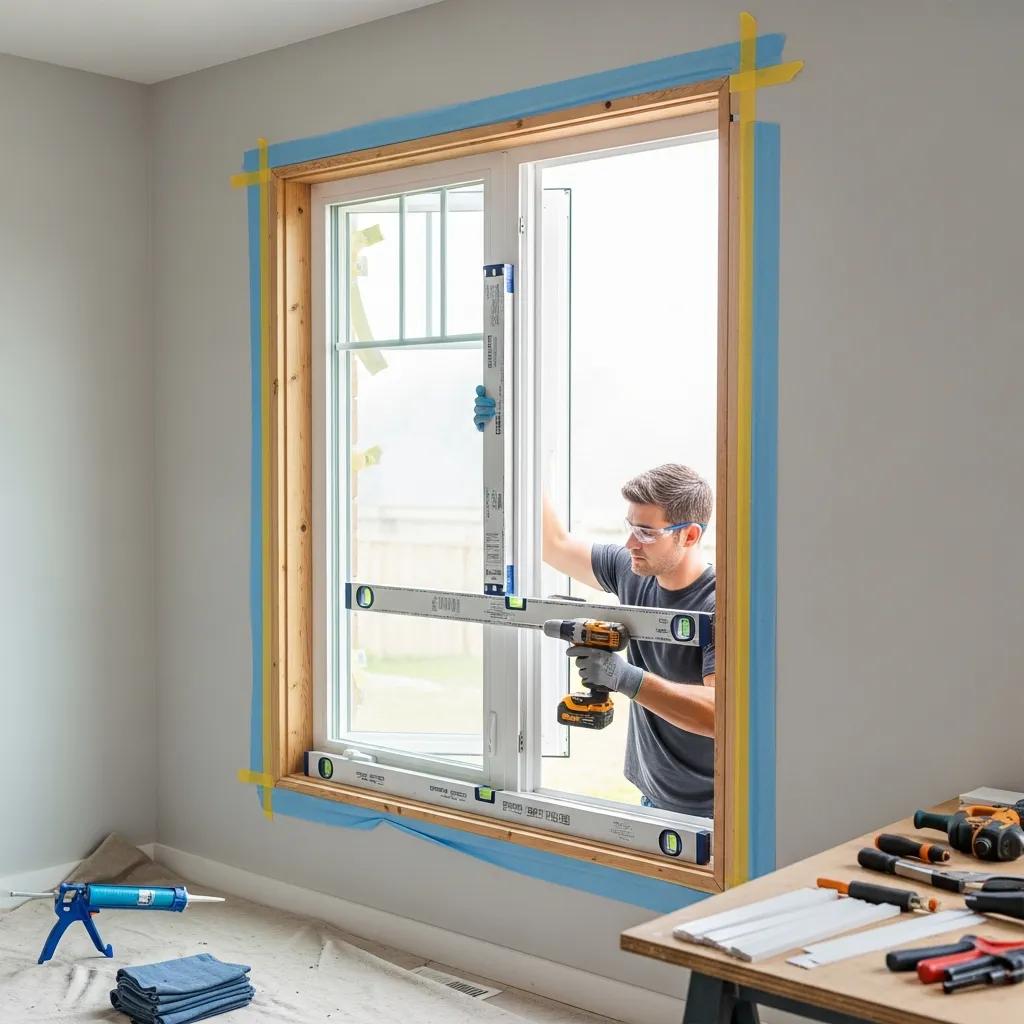
Professional installation turns rated U‑factor and SHGC into real results by handling air sealing, correct flashing, and integration with your home’s weather‑resistant barrier. Tight seams, proper insulation around frames, and correct flashing stop thermal bypass and prevent water intrusion that can shorten performance. Installers who follow best practices avoid common errors — improper shimming, insufficient sealant, or missed flashing — that can negate glazing improvements. Expect a clear installation checklist and workmanship standards to protect both energy performance and the building envelope.
The impact of window choice on energy demand and indoor comfort has been studied for decades, underlining how critical these components are to sustainable home design.
Energy‑Efficient Window Systems: Impact on Energy Use and Comfort
Studies show that window selection affects energy demands and indoor temperatures, and that window replacement can be cost‑effective. Because windows play a large role in comfort and building performance, their choice and installation are important factors in delivering measurable energy savings and better daylighting.
Energy‑efficient window systems — effects on energy use and daylight in buildings, 2001
What Do Chicago Homeowners Say About Their Energy‑Efficient Window Upgrades?
Local testimonials and approval ratings commonly highlight improved comfort, fewer drafts, and satisfaction with professional service after upgrades. Homeowners often mention steadier indoor temperatures and quieter rooms — signs that glazing, gas fills, and solid installation were specified and installed correctly. A high client approval rating suggests consistent delivery of expected benefits when projects are scoped and installed properly. Ask prospective installers for references and documented improvement examples to verify outcomes for your home.
What Are the Most Common Questions About Energy‑Efficient Windows?
Homeowners ask whether upgrades are worth the cost, how much they can save, how long modern windows last, and whether retrofits work as well as replacements. Short answers: replacing the worst‑performing windows first often gives the quickest energy and comfort returns; average savings commonly fall in the low double‑digit percent range; modern windows can last decades with proper care; and retrofits can help but typically don’t match the long‑term value and airtightness of a full replacement. A free, personalized consultation and itemized estimate will give the most reliable projection for your specific home.
Are Energy‑Efficient Windows Worth the Investment?
They usually are when existing windows are single‑pane, heavily leaking, or causing comfort and condensation issues. Payback depends on local energy prices, how much window area you replace, and your home’s insulation baseline — homes with high heating loads often see faster payback. Financing, including promotional 0% terms, can change the equation by lowering upfront costs and matching payments to expected savings. For a precise answer, schedule a professional assessment and get itemized estimates to compare costs and projected savings.
How Much Can I Save Annually With Energy‑Efficient Windows?
Savings vary by climate, home envelope, and which windows are replaced. Replacing single‑pane windows with efficient double‑pane Low‑E units commonly yields average energy savings in the low double‑digit percentages. ENERGY STAR and other benchmarks show savings can be meaningful, but exact figures depend on local heating and cooling needs. For a tailored estimate, use NFRC data, measure the upgraded glazing area, and model local utility rates or request an in‑home energy estimate from a trusted installer.
How Long Do Energy‑Efficient Windows Last?
Modern energy‑efficient windows often last multiple decades, depending on frame material, glazing quality, and maintenance. Vinyl and fiberglass resist rot and need little upkeep; wood can last a long time with proper care and refinishing. High‑quality seals and spacers preserve insulating value, but seal or coating deterioration can reduce performance over time. Regular inspection and timely maintenance extend service life and keep windows delivering energy and comfort benefits.
Can I Upgrade My Existing Windows to Be More Energy Efficient?
Yes — retrofit options like storm windows, interior insulating panels, or exterior storm units can improve performance and reduce drafts at a lower cost than full replacement. These approaches can be cost‑effective for historically sensitive homes or tight budgets, but they usually don’t match the long‑term airtightness and performance of modern full replacements. For the most durable, long‑term energy savings and condensation control, full replacement with modern multi‑pane glazing and professional installation is often the best investment.
Frequently Asked Questions
What are the environmental benefits of energy‑efficient windows?
Energy‑efficient windows lower a home’s energy use by reducing heat loss in winter and heat gain in summer, which decreases demand on heating and cooling systems and cuts greenhouse gas emissions associated with power generation. Using less energy also helps reduce fossil fuel consumption and supports cleaner local air. Homeowners may also qualify for tax credits, rebates, or other incentives for energy upgrades, which further encourages eco‑friendly choices.
How do I choose the right energy‑efficient windows for my home?
Pick windows based on local climate, your home’s orientation, and your energy goals. Look for low U‑factor values for better insulation and select SHGC ratings that match sun exposure. Choose frame materials that meet your aesthetic and maintenance preferences. Consulting with a local expert will get you tailored recommendations that reflect your home’s specifics and energy‑saving priorities.
What maintenance is required for energy‑efficient windows?
Maintenance is minimal but important. Clean glass and frames periodically to keep visibility and function. Inspect seals and weatherstripping for wear and replace them as needed to keep airtightness. Watch for condensation between panes — it can indicate seal failure. Wood frames need periodic painting or staining to protect against moisture. Regular checks and simple upkeep help maintain performance over time.
Are there any rebates or incentives for upgrading to energy‑efficient windows?
Many federal, state, and local programs offer rebates, tax credits, or financing incentives for energy‑efficient window upgrades. Programs vary by location, so check with your utility, local government, or installer for current offers. Taking advantage of incentives can significantly lower the upfront investment and improve payback timelines.
How can I assess the energy efficiency of my current windows?
Start by looking for visible signs: drafts, condensation, or difficulty operating windows. Check for an NFRC label that lists U‑factor and SHGC. A basic home energy audit can highlight problem areas; professional auditors can perform blower door tests and other diagnostics to measure air leakage and recommend upgrades or replacements.
What is the typical lifespan of energy‑efficient windows?
Energy‑efficient windows typically last 20 to 40 years, depending on materials and maintenance. Vinyl and fiberglass tend to last longer with little upkeep; wood needs regular care to prevent rot. Installation quality also matters — poorly installed windows may fail sooner from air or water leaks. Regular inspections and timely repairs help maximize lifespan and performance.
Can energy‑efficient windows help with indoor air quality?
Yes. By reducing drafts and condensation, energy‑efficient windows help limit moisture problems that can lead to mold. They contribute to more stable indoor temperature and humidity levels, which supports healthier air. When paired with appropriate ventilation, efficient windows improve airflow while limiting outdoor pollutants, helping overall indoor air quality.
Conclusion
Upgrading to energy‑efficient windows delivers clear benefits: lower energy bills, improved comfort, and better indoor air quality. Understanding the features and performance metrics helps you make choices that fit your home and climate. With financing options and professional installation available, taking the next step toward an energy‑smarter home is easier than it might seem. Explore our services today to start improving comfort and reducing energy costs.