

Choosing the Right Window Installation Method: A Practical Guide for Homeowners in the Chicago Suburbs

Choosing the right window installation method matters — especially here in the Chicago suburbs where weather and energy bills are real concerns. This guide walks you through the common installation approaches so you can pick the solution that improves comfort, saves energy, and protects your home’s value. Read on to learn why the method matters, the main types of installs, how to check your existing frames, what drives costs (and how financing can help), our professional installation process at Window Concepts, and how to decide what’s best for your house.
Why Choosing the Right Window Installation Method Matters for Your Home
The installation method affects more than looks — it impacts energy performance, durability, and long-term value. A correct install keeps out drafts and moisture, prevents future repairs, and helps your windows perform as promised. Making the right choice now can save you money and headaches down the road.
How Proper Installation Impacts Energy Efficiency and Home Value
Proper installation creates airtight seals that limit heat loss in winter and heat gain in summer. According to the U.S. Department of Energy, homes with well-installed, energy-efficient windows can save 7–15% on heating and cooling costs. Good installs also boost curb appeal and reduce maintenance, which shows up in the home’s resale value. That’s why trusting experienced installers is worth the investment.
What Chicago’s Climate Means for Your Window Choices
Chicago’s hot summers and cold winters mean you need windows and installation techniques that handle wide temperature swings and moisture. Double-pane windows with low-E coatings are a common, cost-effective choice; triple-pane glass adds insulation but at a higher price. The right installation also reduces condensation and air leaks so your windows last longer and perform reliably.
What Are the Main Types of Window Installation Methods?
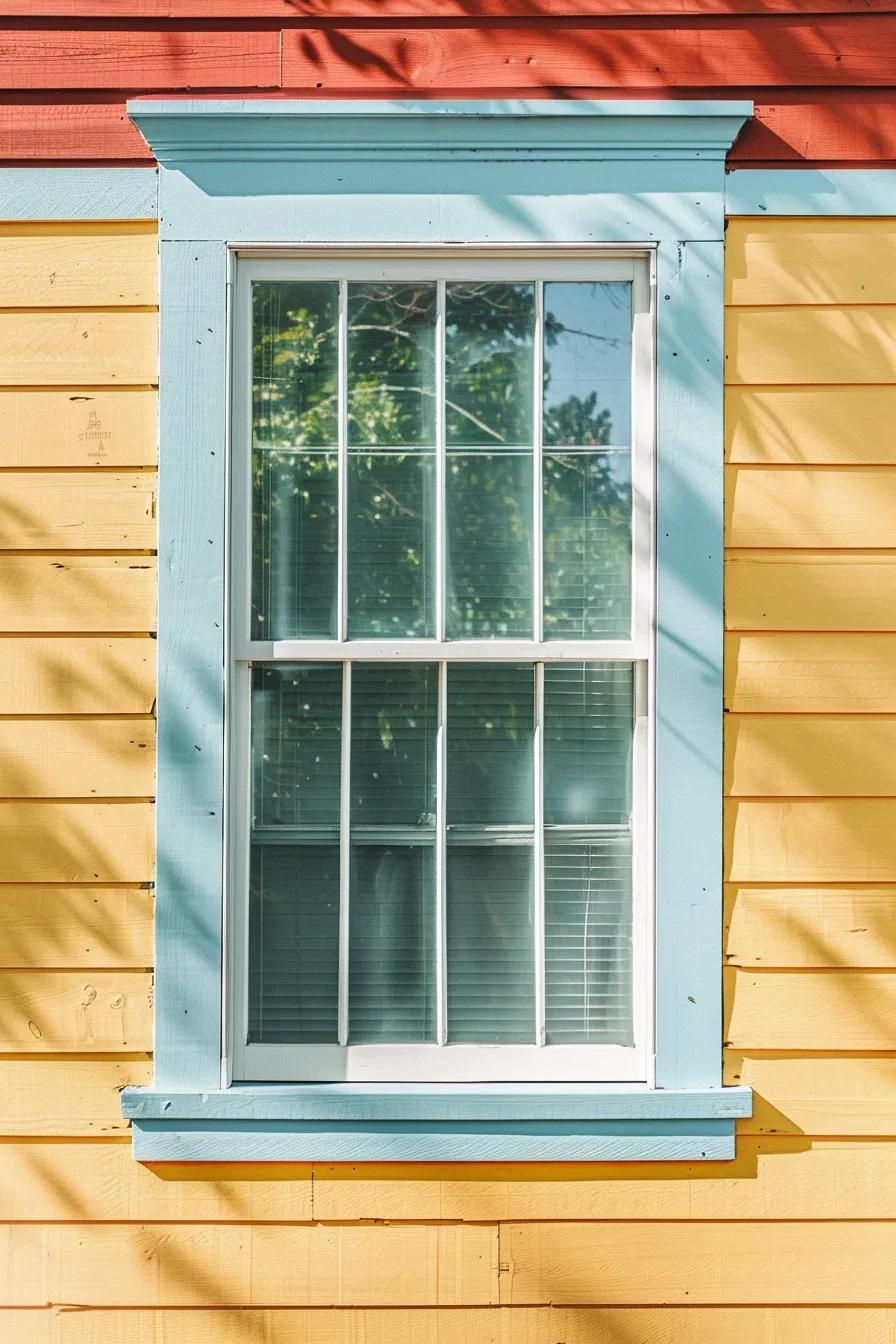
There are two primary approaches: full-frame replacement and insert (or pocket) installation. Each has clear advantages depending on the condition of your frames, your timeline, and your budget.
What Is Full-Frame Window Replacement and When Is It Best?
Full-frame replacement removes the entire window unit — sash, trim, and frame — and installs a new, complete unit. This is the best choice when the existing frame is damaged, rotten, or showing hidden problems. It lets you upgrade insulation, flashing, and flashing details for the best long-term performance, which is often the smart move for older homes.
What Are the Pros and Cons of Insert Window Installation?
Insert installation fits a new window into the existing frame. It’s faster and typically less expensive than a full-frame job, so it’s a popular option when the frame is still sound. The trade-off is that insert installs won’t fix underlying frame or wall issues, and if the old frame wasn’t sealed well, you may not get the same insulation gains as a full replacement.
How Can Homeowners Assess Their Existing Window Frames to Choose the Best Method?
Before you decide, inspect the frames. A careful check helps you choose the right approach and avoid surprises during installation.
How to Inspect Window Frames for Damage, Rot, and Mold
Look for soft or discolored wood, visible rot, or mold growth. Check for gaps between the trim and the wall and test windows for smooth operation. A moisture meter can reveal hidden damp spots that point to deeper damage. When in doubt, ask a pro for a quick assessment — it can save you money later.
When to Choose Full-Frame vs. Insert Installation Based on Frame Condition
If frames show significant rot, warping, or moisture damage, full-frame replacement is usually the correct choice to ensure long-term performance. If frames are structurally sound with only cosmetic wear, an insert installation can deliver a fast, cost-effective upgrade. Balance upfront cost against expected lifespan and energy savings when deciding.
What Are the Cost Factors and Financing Options for Window Installation?

Window project costs depend on several variables. Knowing what affects price helps you budget and compare bids sensibly.
How Labor, Materials, and Window Type Affect Installation Costs
Labor varies with installation complexity and the crew’s experience. Materials — vinyl, wood, fiberglass, glass type, and hardware — also change the total price. Higher-quality windows cost more up front but often pay back in energy savings and durability.
What Flexible Financing Options Does Window Concepts Offer?
Window Concepts offers financing programs to spread the cost of your project, including low-interest plans and flexible payment options. Talk to us during your estimate to find a plan that fits your budget and lets you move forward without a big one-time expense.
What Is the Professional Window Concepts Installation Process?
Our installation approach is straightforward and focused on long-term results. We follow clear steps to ensure a quality outcome and a smooth experience for you.
What Are the Steps from Consultation to Installation?
We start with a free consultation to review your goals and property. Next, we take precise measurements and offer a detailed proposal. On install day we prepare the work area, remove the old units (if applicable), install the new windows with proper flashing and sealing, and finish with a thorough inspection and cleanup. We won’t call the job done until you’re satisfied.
How Expert Installation Ensures Lasting Performance and Airtight Seals
Trained installers know how to spot and fix potential trouble during the install — from uneven openings to moisture-prone framing. Proper sealing, flashing, and insulation during installation are what deliver airtight performance and protect your investment for years.
How to Decide the Best Window Installation Method for Your Home?
Choose a method by weighing budget, frame condition, and your goals for comfort and resale value.
What Factors Should Influence Your Choice: Budget, Frame Condition, and Project Goals?
If the existing frame is solid and you want a quicker, less expensive update, inserts can be a smart choice. If you need to correct structural or moisture problems, or you want the best long-term energy savings, full-frame replacement is usually the better investment. Consider how long you plan to stay in the home and what you want the windows to accomplish.
How Do Energy Efficiency and Long-Term Savings Affect Your Decision?
Energy-efficient windows and a proper installation can lower your utility bills over time. Think beyond the sticker price: a higher-quality window and a full-frame install may cost more today but can reduce energy use and maintenance down the road.
| Installation Method | Pros | Cons |
|---|---|---|
| Full-Frame Replacement | Complete overhaul; better insulation and weatherproofing | Higher cost; longer install time |
| Insert Installation | More budget-friendly; faster install | Only works if frames are in good condition; may not fix hidden issues |
Choosing the right installation method is an important decision for homeowners in the Chicago suburbs. By understanding your options and inspecting your frames, you can select a solution that improves comfort, cuts energy use, and protects your home’s value. For personalized advice and a free quote, contact Window Concepts — a family-run team with over 40 years of experience in premium windows and exterior home improvements.
Frequently Asked Questions
What are the signs that indicate I need a full-frame window replacement?
Look for soft or discolored wood, visible rot, mold, gaps between the frame and wall, or windows that stick or won’t operate smoothly. Condensation between panes or persistent drafts are also red flags. Those issues usually mean the frame or surrounding structure needs to be replaced, not just the sash.
How can I improve the energy efficiency of my home with new windows?
Choose double- or triple-pane glass with low-E coatings and energy-efficient frames like vinyl or fiberglass. Equally important is a professional installation with proper sealing and flashing to prevent air leaks. Regular upkeep — checking seals and cleaning tracks — helps maintain efficiency over time.
What should I expect during the window installation process?
Expect a staged process: a consultation and measurements, a scheduled install day, removal of old windows (if needed), installation with proper flashing and sealants, and a final inspection. The crew should protect your home, clean up thoroughly, and show you how the new windows operate.
Are there any specific maintenance tips for newly installed windows?
Inspect seals and frames periodically, clean glass with a non-abrasive cleaner, and remove debris from tracks. Lubricate hinges, rollers, and locks as needed. Address any seal or hardware issues promptly to avoid bigger problems later.
What financing options are typically available for window installation?
Financing commonly includes low-interest loans, payment plans, and promotional offers with deferred payments. Window Concepts can discuss options during your estimate to help you find a plan that fits your budget and timeline.
How do I choose the right window style for my home?
Match the window style to your home’s architecture while considering function and maintenance. Double-hung windows are versatile; casements offer excellent ventilation and tight seals; sliders work well for wider openings. A consultation with an experienced installer will help you balance style, performance, and budget.
Conclusion
Picking the right window installation method affects comfort, energy bills, and the long-term health of your home. Whether you choose an insert or a full-frame replacement, base your decision on frame condition, budget, and your long-term goals. For a free, no-pressure consultation tailored to your home, reach out to Window Concepts — we’ll help you find the option that fits your needs and your neighborhood.